
Clorox & Your Body's Burden: Making Informed Choices for Home Health
Whenever I see somebody pull out a bottle of Clorox, I cringe a little.
Now don't get me wrong—I grew up in a household where Clorox was a staple. Bleach was what you used when you wanted something really clean.
Counters. Bathrooms. Floors. Laundry.
If it needed to be disinfected, out came the Clorox.
But my perspective changed dramatically.
As someone who has experienced significant chemical sensitivities, exposure to Clorox wasn't just unpleasant for me. The smell could send me fleeing the room, trying not to breathe or worse straight to bed with a sore throat, congested ears, and a throbbing headache.
For over a decade scented cleaners left me feeling terrible for hours—or even days.
And eventually, I started asking a much bigger question:
What are all of these chemicals doing to us when we are exposed to them day after day, year after year?
A Clarification About Clorox
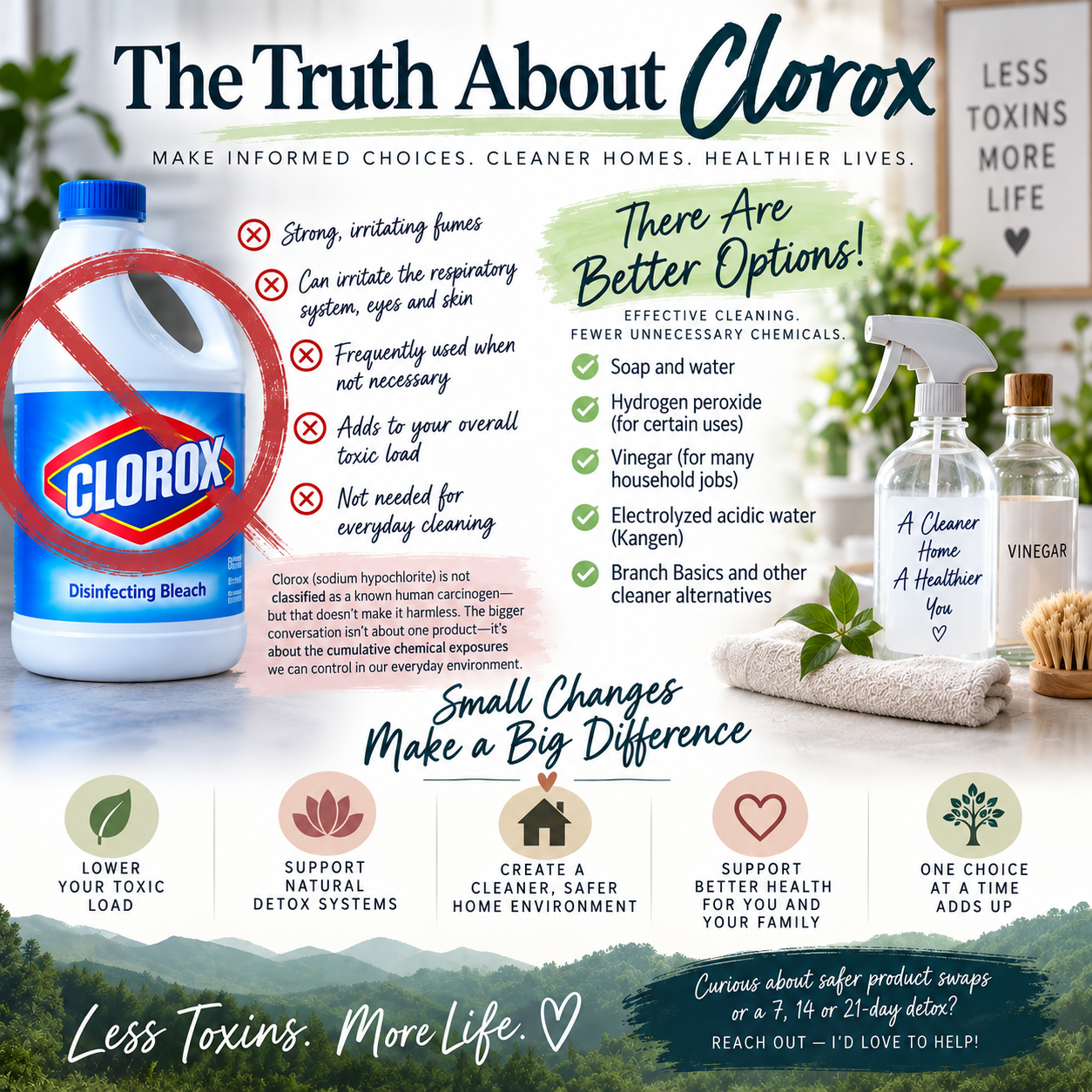
Clorox isn't classified as a known human carcinogen—but that doesn't make it harmless. Bleach is a powerful chemical disinfectant that can irritate the respiratory system, eyes and skin, and unnecessary exposure is something I personally choose to minimize.
The bigger conversation isn't whether one bottle of bleach causes disease.
It's about the cumulative chemical exposures we can control in our everyday environment.
It's Not Just One Chemical. It's the Cumulative Load.
This is the part I think we need to start talking about.
We don't live in a world where we're exposed to one chemical at a time.
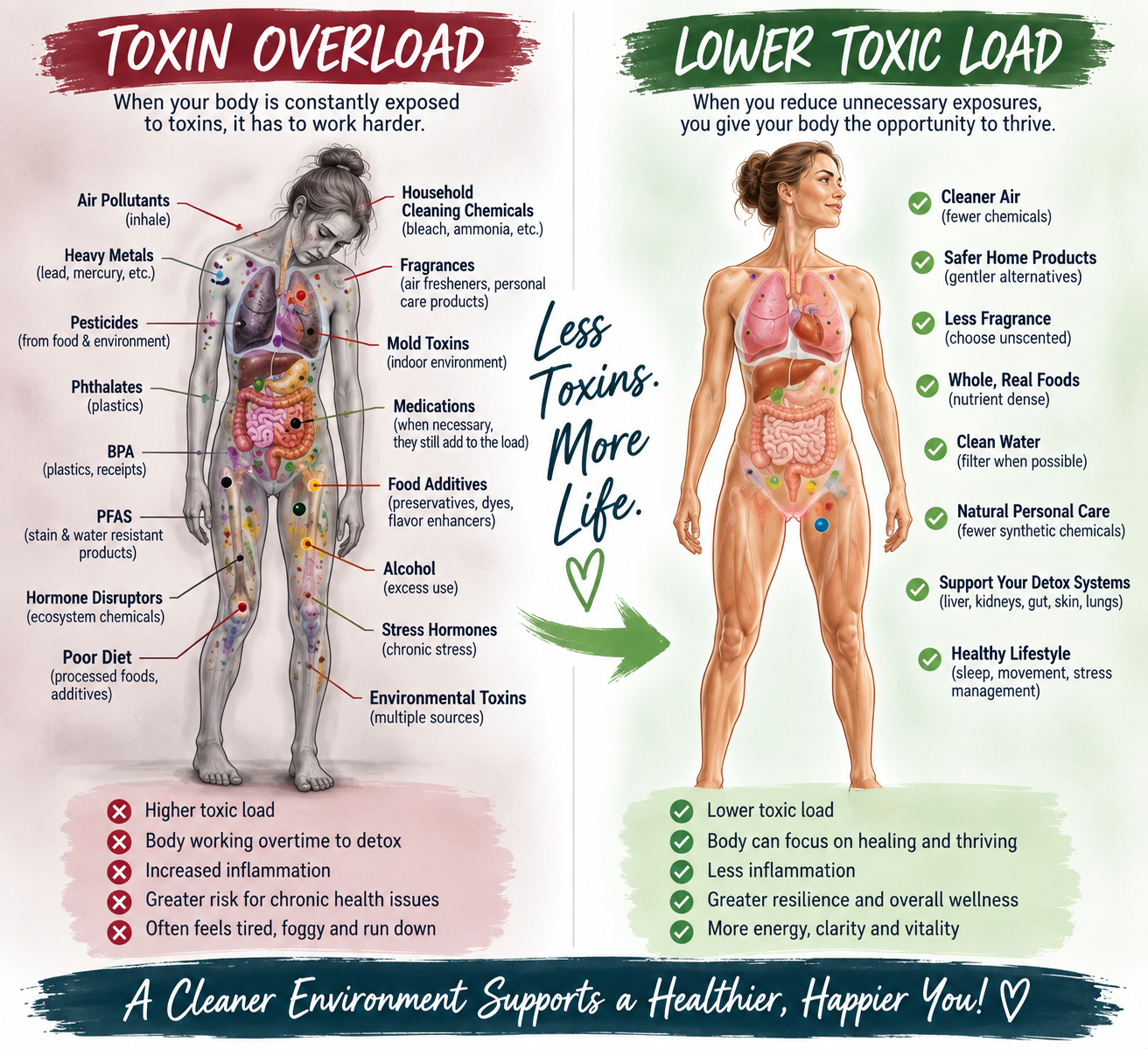
Every day, we're exposed to chemicals and pollutants through the air we breathe, the water we drink, the food we eat, the products we put on our skin, the materials in our homes, plastics, pesticides, fragrances, personal-care products, cleaning products and countless other sources.
And then we add another one.
And another.
And another.
A fragranced laundry detergent.
A fabric softener.
An air freshener.
A scented candle.
A household cleaner.
A stain-resistant or water-resistant product containing PFAS.
A personal-care product.
A pesticide.
A plastic container.
Each individual exposure might seem insignificant.
But our bodies experience the totality of our exposures—not one product in isolation.
That's what I mean when I talk about toxic load.
I'm not saying that every chemical we encounter is toxic, or that one exposure automatically causes disease.
I'm saying that it makes sense to consider our total exposure and ask where we have the power to reduce it.
Our Ancestors Weren't Living in the Same Chemical Environment We Are.

Think about how dramatically our environment has changed in just the last several generations.
Someone living 80 or 100 years ago certainly encountered environmental toxins. This isn't a romantic story about a completely chemical-free past.
But the number and variety of synthetic chemicals incorporated into modern life has expanded enormously.
Today, we can be exposed to hundreds of different chemicals and pollutants across our food, water, air, workplaces, homes and consumer products.
And at the same time, we're seeing enormous burdens of chronic disease.
Autoimmune conditions.
Metabolic disease.
Skin disorders.
Allergies.
Respiratory problems.
Chronic inflammatory conditions.
And many other conditions that seem increasingly common.
Does that prove that chemical exposure is the cause?
No.
I believe there are several causes of the chronic-disease epidemic.
Genetics, infections, diet, sleep, stress, lifestyle, physical activity, socioeconomic factors, aging, environmental exposures and many other factors can all play a role.
But I absolutely believe we should be asking a much bigger question:
How much does our modern environmental chemical burden contribute to the health problems we're seeing?
There is legitimate scientific evidence that exposure to some environmental chemicals can affect biological systems, including immune, endocrine, reproductive and neurological function.
And researchers continue to investigate how mixtures and cumulative exposures affect human health.
So why wouldn't we reduce the exposures we can control?
Your Body Has to Deal With What You (or those around you) Put Into Your Environment.
Our bodies have incredibly sophisticated systems for processing and eliminating substances we encounter.
The liver, kidneys, gastrointestinal tract, lungs and other systems are constantly working to transform and eliminate substances from the body.
But I don't think the answer is to assume that our bodies can simply handle anything we throw at them indefinitely.
I think about it like a bucket.
Every exposure adds something to the bucket.
Food.
Alcohol.
Medications.
Air pollution.
Pesticides.
Personal-care products.
Plastics.
Fragrance.
Cleaning chemicals.
Workplace exposures.
And countless other environmental factors.
We may not be able to empty the bucket completely.
But we can stop unnecessarily filling it.
That's a powerful concept because we actually have control over some of those inputs.
And That's Where Clorox Comes Back Into the Conversation.
Do we occasionally need to disinfect?
Absolutely.
There are circumstances where disinfection is appropriate and important.
But do we need to disinfect every surface in our home every day?
Usually, no.
For routine household cleaning, soap and water can accomplish a tremendous amount.
So why would I choose to expose myself unnecessarily to a powerful disinfectant when I can accomplish the same everyday cleaning task with something gentler?
That's the question.
Not: "Is Clorox evil?"
But:
"Do I need this chemical exposure for this particular job?"
That is a completely different way of thinking.
Clean Does Not Have to Mean Sterile.
This is one of the biggest misconceptions we have about cleaning.
We've become conditioned to believe that a surface isn't truly clean unless it has been disinfected and smells strongly of chemicals.
But your home isn't supposed to be a sterile operating room.
Every surface around us has a microbial community. Our bodies do, too. We live in constant relationship with microorganisms, and many of the microbes around us are harmless or potentially beneficial.
When we use a broad-spectrum disinfectant, we're not selectively walking around with a tiny weapon that knows the difference between the "good guys" and the "bad guys."
We're reducing microorganisms in general.
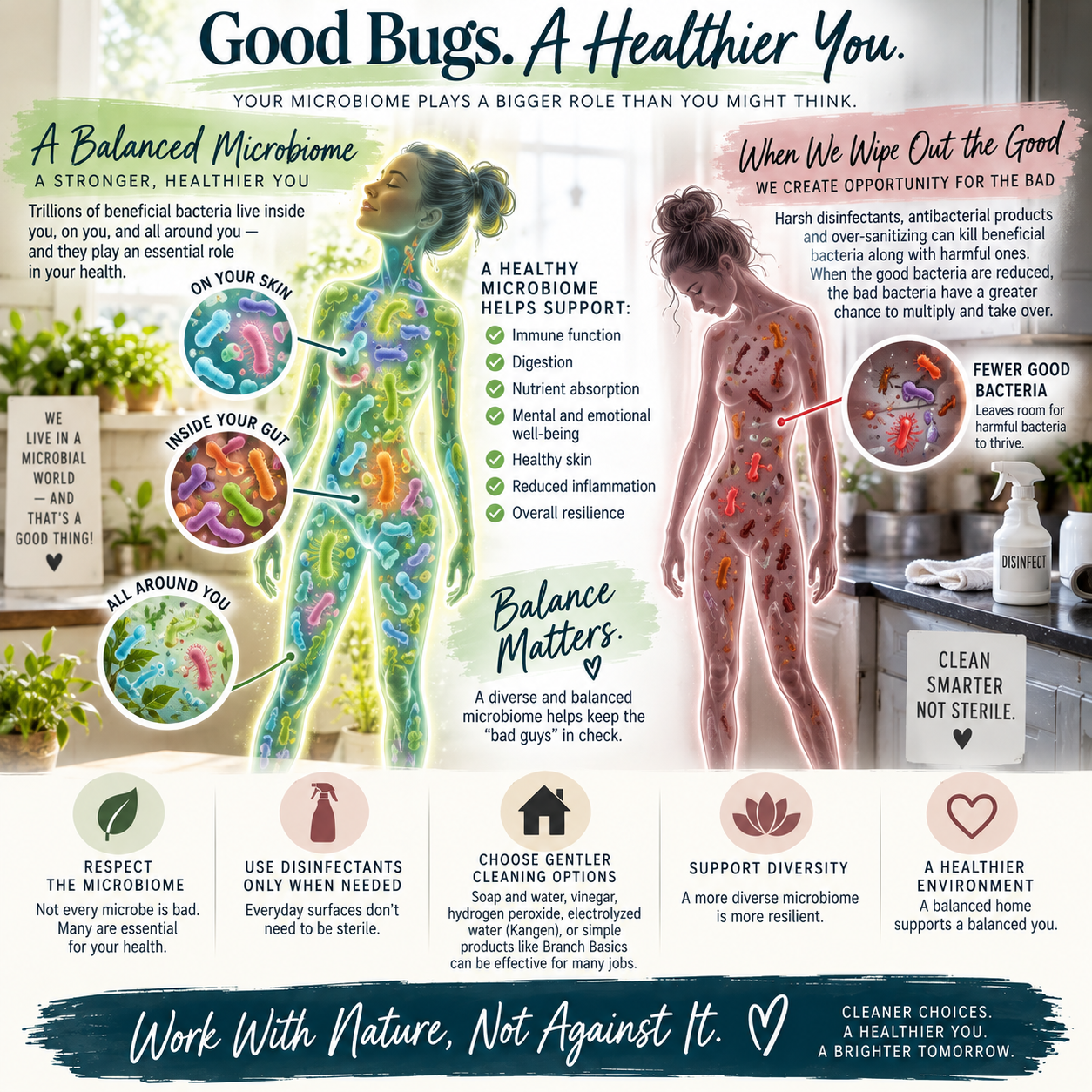
And while we absolutely have situations where disinfection is appropriate, there is a difference between necessary disinfection and trying to sterilize our entire home every day.
We're still learning about the environmental microbiome and exactly what repeatedly altering it means for human health.
But it makes me question our obsession with making everything sterile.
Clean is not the same as sterile.
And sterile isn't necessarily the goal.
It's Not Just About Clorox.
Clorox is simply one example of a much bigger conversation.
We tend to think about exposure one product at a time:
A little cleaning spray here.
A little laundry detergent there.
Air freshener.
Fragrance.
Personal-care products.
Pesticides.
Plastic.
Household cleaners.
And then we wonder why some people feel overwhelmed by their environment.
I'm not suggesting that one bottle of bleach is going to cause chronic illness.
But reducing unnecessary chemical exposure is a reasonable goal, particularly for people who know they are sensitive to fragrances or cleaning chemicals.
For me, that became a very different way of thinking about my home.
Instead of asking:
"What's the strongest thing I can use to kill everything?"
I started asking:
"What's the gentlest thing that will accomplish what I actually need?"
That's a completely different philosophy.
Your Home Doesn't Need to Smell Like Chemicals to Be Clean.
This is something I wish more people understood.
That strong bleach smell isn't proof that your house is healthier.
And the absence of a chemical smell doesn't mean your house isn't clean.
For routine cleaning, there are some wonderfully simple options.
Soap and water.
Sometimes that's all you need.
Hydrogen peroxide.
Used appropriately, it can be useful for certain cleaning and sanitizing applications.
Vinegar.
It's useful for many household cleaning jobs, although it isn't a universal disinfectant and shouldn't be treated as one.
And then there's another option that I personally love:
Electrolyzed acidic water.
My Kangen Water Machine Has Changed the Way I Clean.
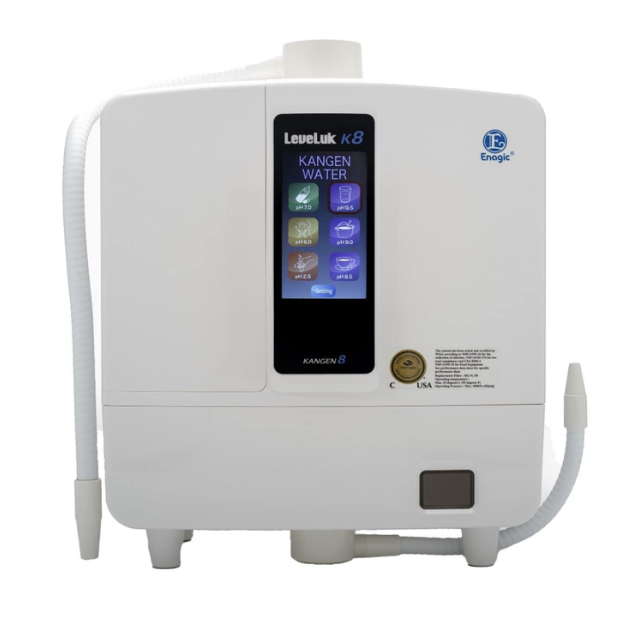
I have a Kangen water machine, and one of the things I love about having it is that it gives me another option for household cleaning without reaching for conventional chemical cleaners every time. This saves me money and reduces my toxic load.
So not only does it provide me with clean hydrogen rich water for my hydration needs, but it gives me a setting to create acidic water for cleaning.
The acidic water produced by these machines is excellent for cleaning and disinfecting when needed.
For me, it's about having another tool in my toolbox.
Instead of automatically reaching for a bottle of chemical cleaner, I can ask:
"Do I actually need a chemical here?"
Often, the answer is no.
And There's Another Philosophy I Love: Branch Basics.
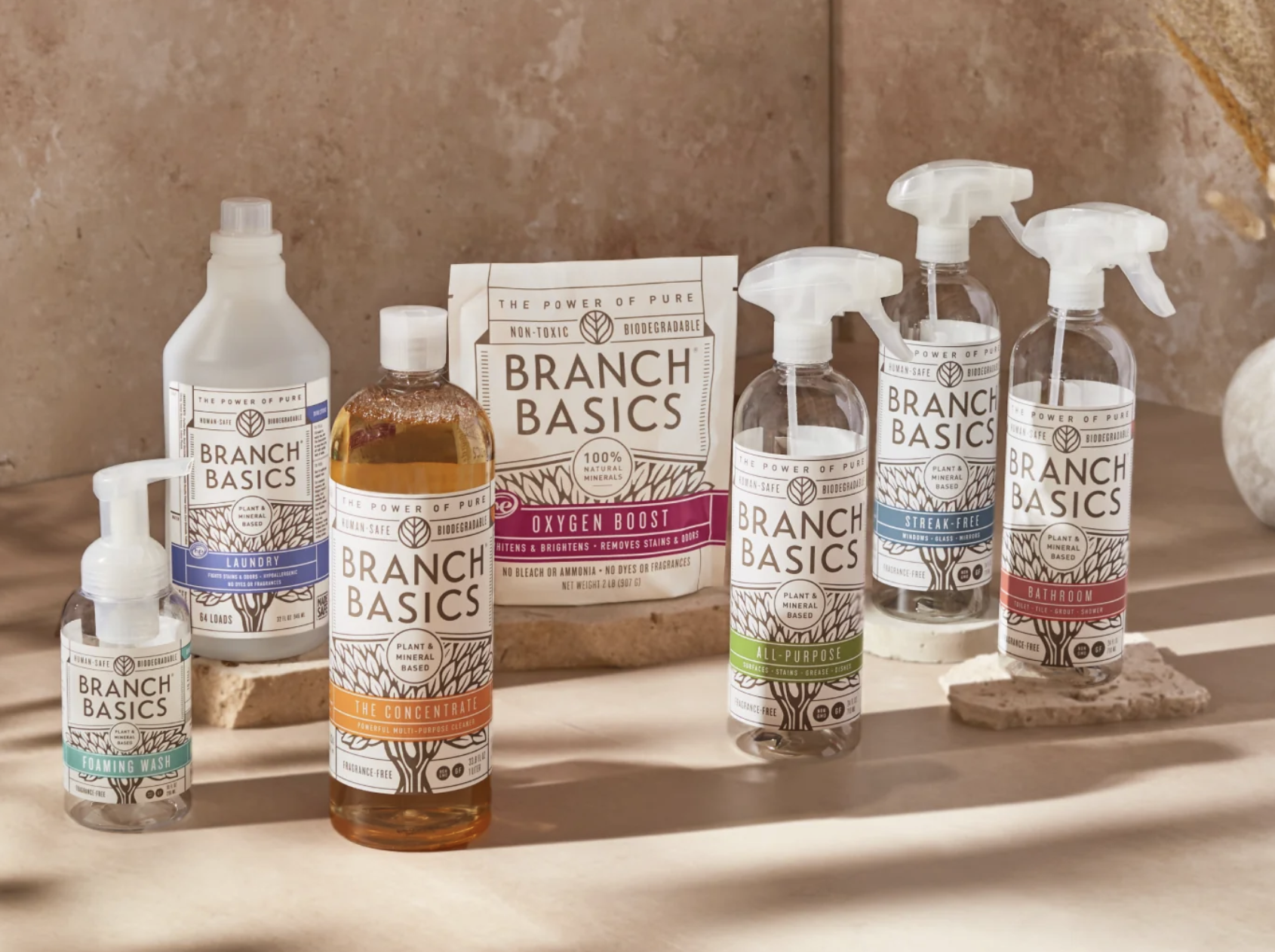
Products such as Branch Basics fit into this same idea for me: simplify.
Instead of having a cabinet full of highly fragranced products for every conceivable surface, you can use a much simpler cleaning system.
The goal isn't to live in fear of every chemical.
It's to become more intentional about what we bring into our homes.
What If It's Time to Take Something Away?
So if you're dealing with a skin rash that just won't go away…
Digestive issues that keep coming back…
Feminine cylces that you dread…
Feeling anxious or overwhelmed every day…
Persistent headaches, congestion, fatigue, inflammation, or just not feeling like yourself…
Maybe it's time to ask a different question.
Instead of immediately throwing another drug, cream, supplement, or product at the symptom to cover it up, what could you take away?
What if you started looking at the things surrounding your body every single day?
Your cleaning products.
Your laundry detergent.
Your fabric softener.
Your fragrances.
Your personal-care products.
The chemicals you're breathing in.
The things you're eating and drinking.
The products you're putting on your skin.
I'm not suggesting you stop prescribed medications or ignore symptoms that need medical attention. And I'm certainly not suggesting that every health problem is caused by toxins.
I'm suggesting that sometimes we spend so much time asking what we can add that we forget to ask what we can remove.
What happens when you begin reducing the load—one thing at a time?
You may not be able to eliminate every environmental exposure in modern life.
But you can eliminate many that are completely unnecessary.
And sometimes, giving the body less to deal with gives it a better opportunity to regulate, repair, adapt and move toward better health.
I've seen people make these changes and tell me they feel better.
Not because they found one magic product.
But because they began systematically reducing the things their bodies were being exposed to every single day.
Maybe your next step isn't adding something.
Maybe it's taking something away.
Start small.
Pick one thing.
Reduce the fragrance.
Get rid of the fabric softener.
Change the cleaner underneath your sink.
Simplify your personal-care products.
Look at what you're breathing in every day.
Then see what happens.
You have more power over your environment—and therefore your overall exposure—than you may realize.
Give Your Body a Fighting Chance.
We may not be able to eliminate every environmental exposure we encounter, but we can reduce the load.
Every time we eliminate an unnecessary chemical, fragrance, or harsh cleaning product, we're taking one more thing off our body's list of things to process—and we're also being more mindful of the microbial environment around us.
Because our microbiome matters.
The beneficial microorganisms living inside us, on us, and all around us are part of our body's natural ecosystem. They support immune function, digestion, skin health, nutrient absorption and overall resilience.
When we stop trying to wipe out every microbe and instead allow a more diverse, balanced microbial environment to exist, we're creating conditions that may better support the good microorganisms rather than constantly disrupting them.
Less chemical load. More microbial balance. More support for the incredible ecosystem that is already working to keep us well.
We can't control every exposure in our modern world—but we can control many of the unnecessary ones.
And remember sometimes, giving your body an advantage starts with simply taking something away.
Ready to Take the Next Step?
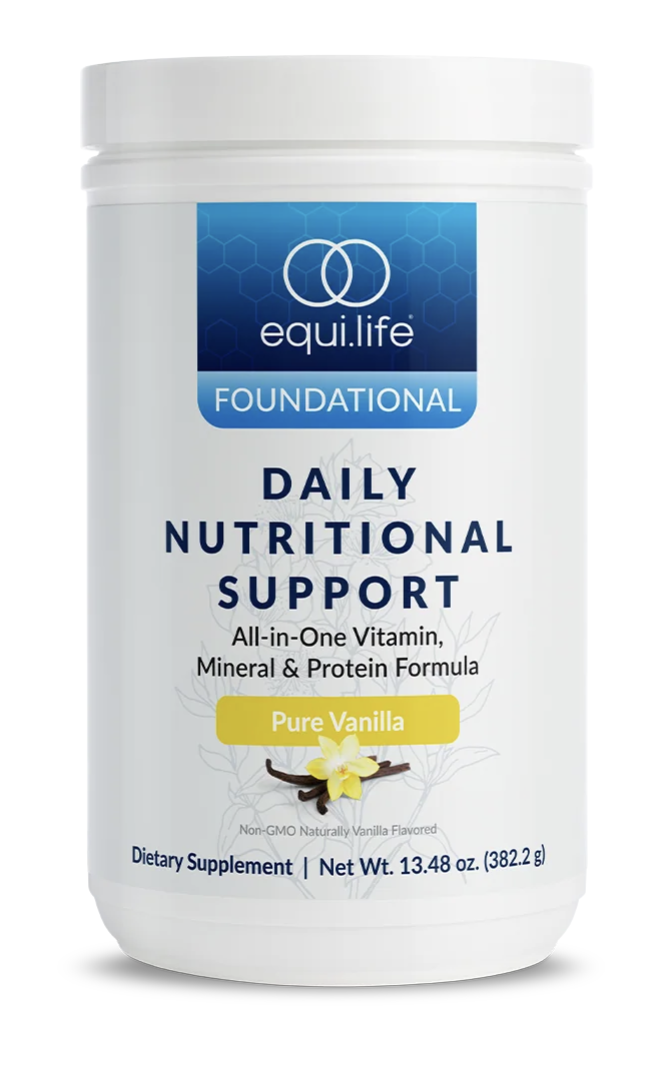
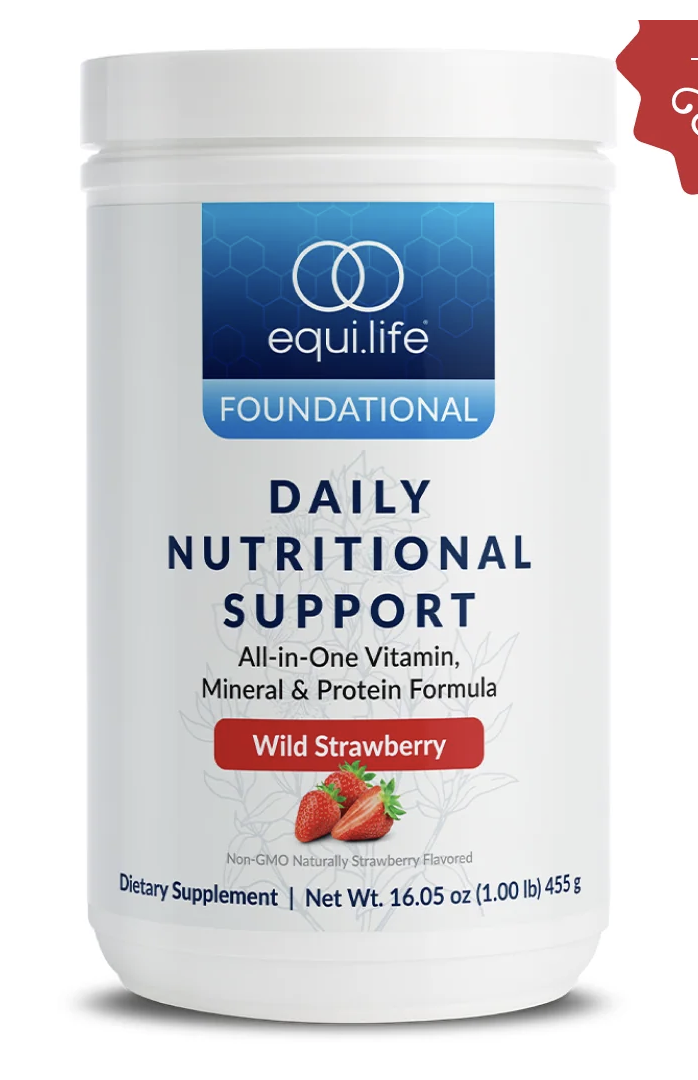
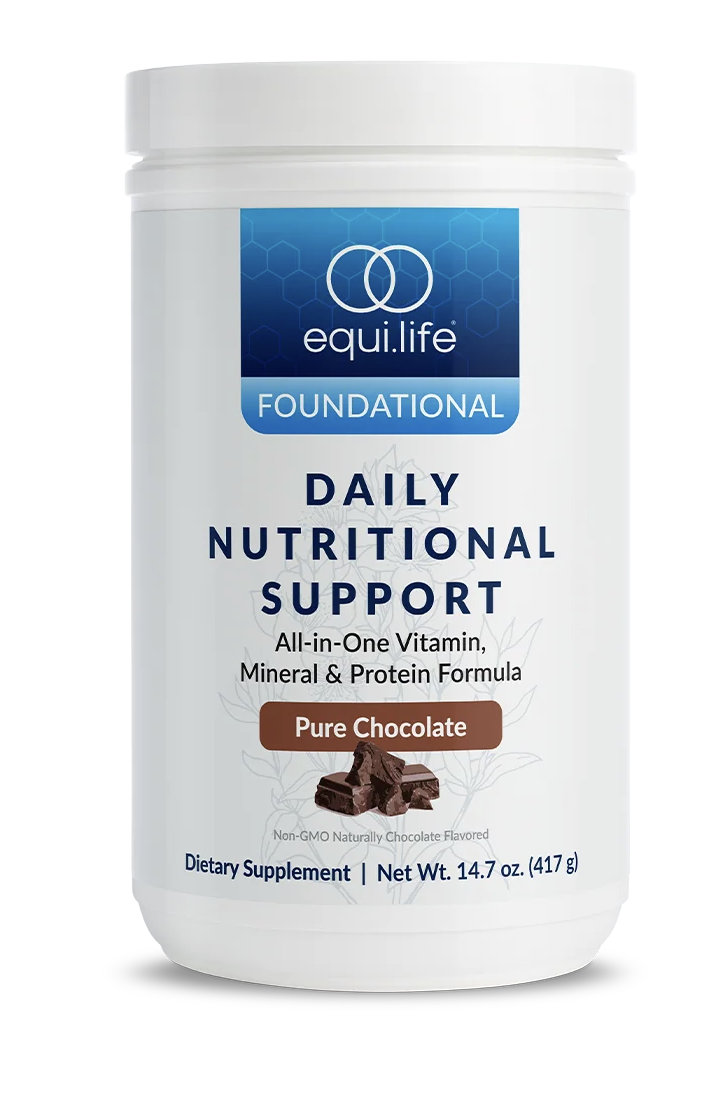
If you'd like some assistance learning which products might be good swaps for you—or you'd like someone to walk alongside you through a 7-, 14-, or 21-day detox to help kick off your next health adventure toward greater wellness, I'd love to help. Equi-life has an amazing nurtient rich shake to use for the detox.
You don't have to change everything overnight.
Sometimes the best place to start is simply identifying a few of the biggest sources of unnecessary exposure in your everyday environment and making small, manageable changes.
Less load. More support. One choice at a time.
If you're ready to explore where you could begin, reach out to me. I'd love to walk alongside you.
