
Hello health minded friend!
A few weeks ago, I got an update that stopped me in my tracks—and really got me thinking.
A dear friend of mine—someone I care deeply about—had a scary episode around Christmas. Something felt off. Not dramatic enough to send him running to the emergency room, but enough that his body was clearly trying to get his attention.
Like so many people, he was concerned. He made the appointment.
What they found shocked me. He had an artery that was nearly 80% blocked.
Eighty percent.
As I sat with that information, I couldn't stop thinking about how close he may have come to a very different outcome. What felt like a warning sign at Christmas may have been exactly that—his body waving a flag and asking him to pay attention before something far more serious happened.
And honestly? That phone call sent me down a research rabbit hole.
I had heard Dr. Stephen Cabral mention proteolytic enzymes on a podcast months earlier. Specifically nattokinase and serrapeptase and their potential role in supporting arterial health.
Then life happened and I filed it away.
Until this I got this news about my friend. This time I started digging.
So I started digging — researching, cross-referencing, reviewing studies.
And what I found was so interesting that I knew I needed to share it.
Because if one person reads this and decides to look a little deeper into their own cardiovascular health, it could make all the difference.
My interest in this topic is personal on another level as well. Over a decade ago, my dad underwent open-heart surgery and received a pig valve replacement. Today, he prioritizes nutrition, omega-3s, proteolytic enzymes, and other supportive strategies. Seeing his experience is one of the reasons I pay close attention to emerging research in cardiovascular health and why I'm so passionate about helping people understand the options available to them.
The Question Almost Nobody Is Asking
Most people know their cholesterol.
Many know their blood pressure.
Some know their blood sugar.
But almost nobody knows their Omega-3 Index.
And honestly, that's a problem.
The Omega-3 Index measures the amount of EPA and DHA—two critical omega-3 fatty acids—present within your red blood cell membranes.
It's a simple test, but it can provide valuable insight into long-term cardiovascular health and inflammation status—areas that often don't show up clearly on standard lab work.
That's why I talk about testing and scanning. We often assume everything is fine because routine labs look normal, but deeper assessments can reveal risks and opportunities that standard screenings may miss.
Think of it this way: your red blood cells travel through every blood vessel in your body. The composition of those cell membranes influences inflammation, flexibility, circulation, and overall cardiovascular health.
In my Integrative Health training, I learned there was an Omega-3 test and how the research behind it can save lives.
The Number That Changed the Way I Think About Heart Health
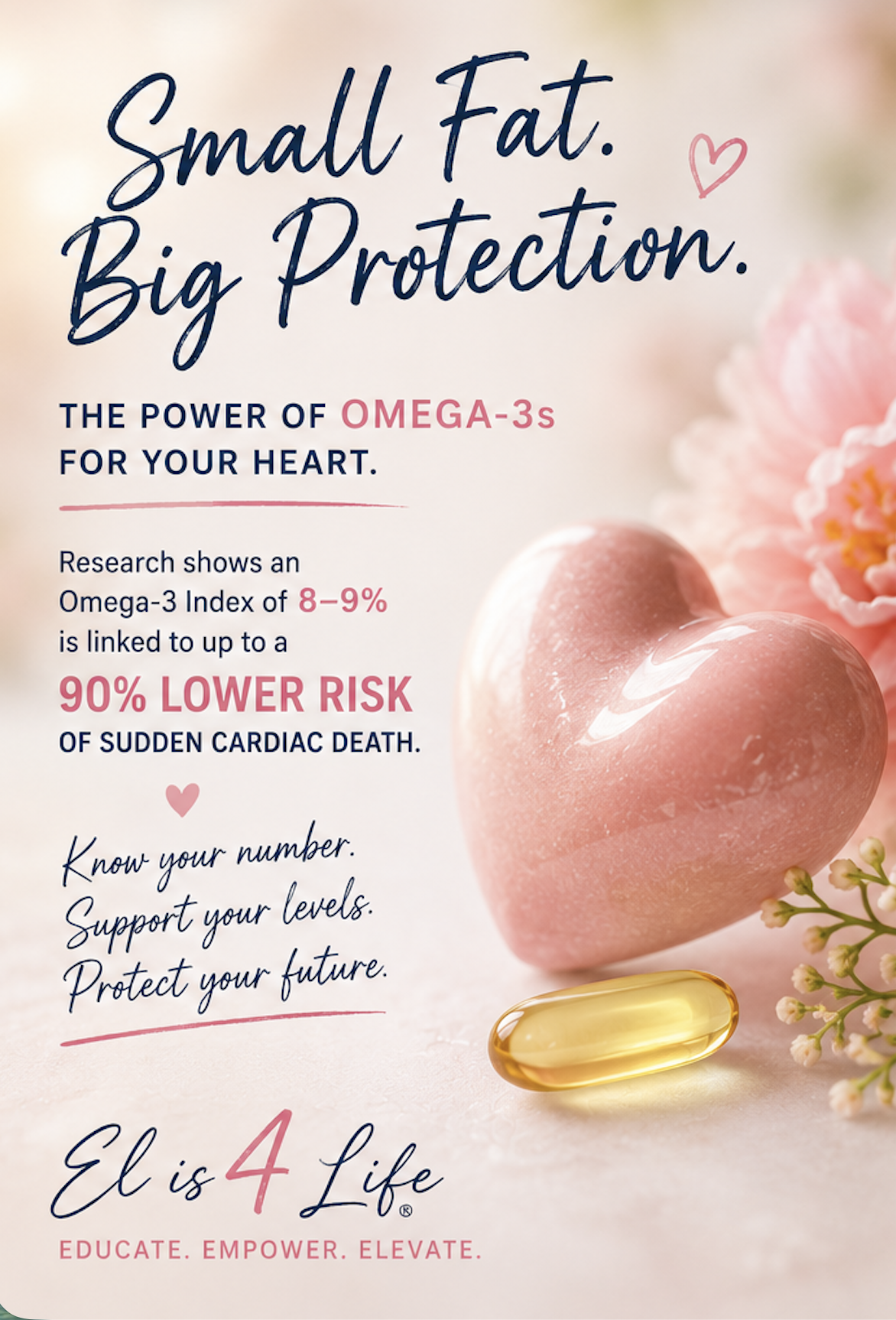
Studies have shown that people with an Omega-3 Index above 8% (Dr. Cabral, an expert in this field, recommends aiming for 9%) may have up to a 90% lower risk of sudden cardiac death compared to people with low levels.
Not 10%. Not 15%. Not 20%.
Ninety percent.
Yet the average American walks around with an Omega-3 Index somewhere around 4–5% because of the Standard American Diet. Which means many people are sitting in a higher-risk category without ever knowing it.
What Optimal Actually Looks Like
Omega-3 Index: Above 9%
EPA: Above 3%
DHA: Above 4%
Since Dr. Stephen Cabral recommends aiming for around 9%, that's the target I personally like to use as well.
When those levels improve, we aren't just talking about heart health.
We're talking about inflammation throughout the body going down. That means relief from a lot of issues. Joint discomfort. Brain fog. Recovery. Immune balance. Energy production.
The body functions best when it isn't constantly putting out fires.
But My Doctor Put Me on a Statin...
I want to approach this conversation carefully.
If you're taking a statin, this isn't me telling you to stop. That is a conversation between you and your physician. What I am saying is that there is additional research worth understanding.
Statins remain one of the most common approaches for managing cholesterol and supporting cardiovascular health.
They can be helpful.
But they also come with a side effect profile that many people experience firsthand—muscle pain, weakness, elevated blood sugar, changes in liver enzymes, and an increased risk of new-onset diabetes in some individuals.
Those concerns are part of the reason many people begin looking for additional ways to support their cardiovascular health.
And honestly? That's the part that really caught my attention.
Some of this research has produced results that are surprisingly impressive, particularly when you realize these approaches are working through completely different mechanisms.
The Enzyme that Made Me Pay Attention
Nattokinase is a proteolytic enzyme derived from natto, a traditional Japanese fermented soybean food. Researchers have studied it for its potential effects on circulation, fibrin breakdown, and cardiovascular health.
What caught my attention were some of the plaque-related findings.
In one clinical comparison, nattokinase demonstrated a 14.8% greater reduction in arterial plaque than simvastatin while also increasing HDL—the type of cholesterol generally considered protective for heart health.
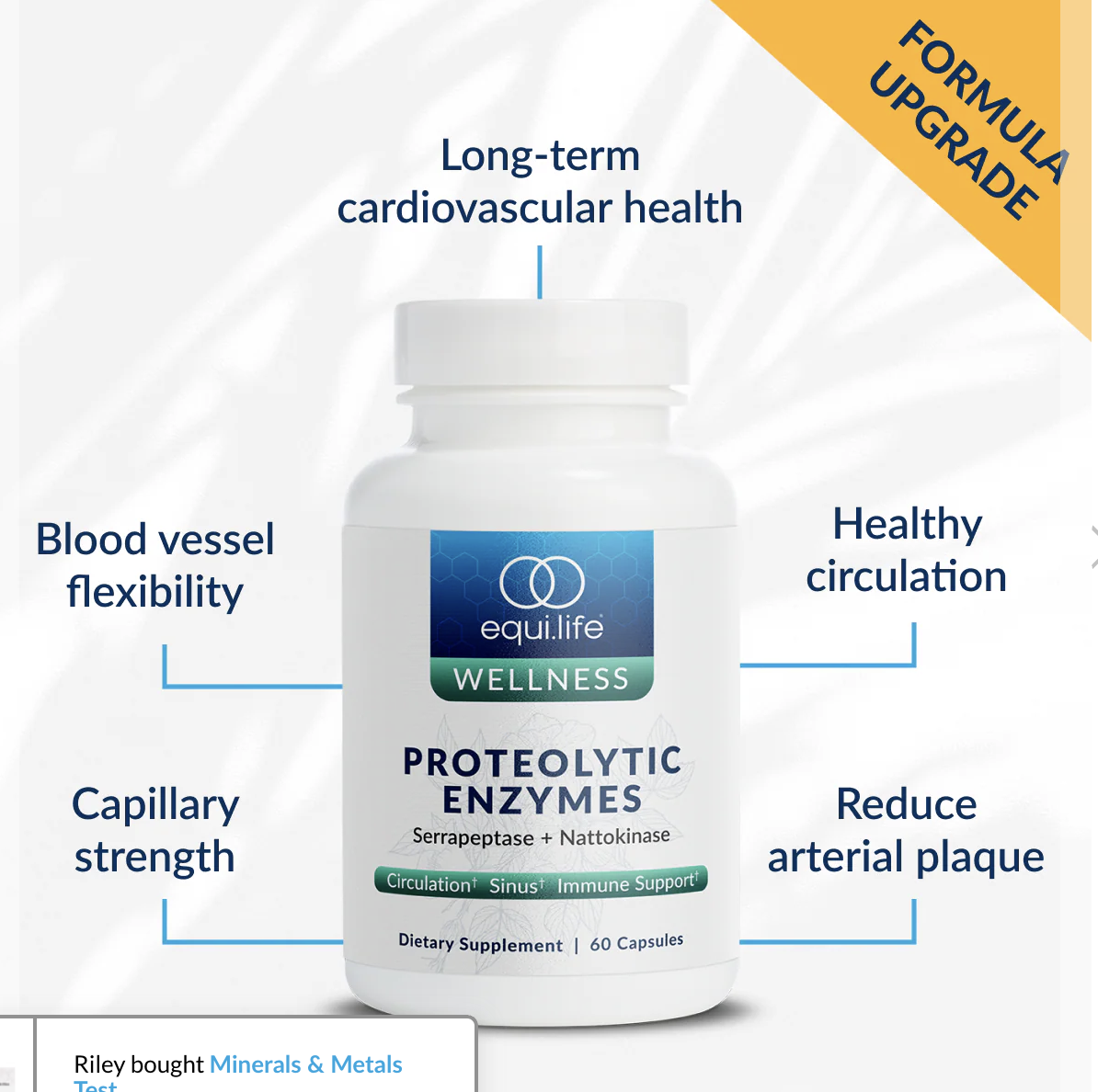
Equi Life Proteolytic Enzymes have recently had a formula upgrade. You can find them here.
In another large study involving more than 1,000 participants, high-dose nattokinase was associated with a 36% reduction in arterial plaque size.
Then I started looking into serrapeptase.
When combined, these two enzymes appear to work synergistically.
For my friend recovering from that 80% blockage? This is one of the first conversations I wanted to have with him. I am looking forward to sharing Equi life Proteolytic formula with him. A quick note: One reason I personally like the EquiLife Proteolytic Enzyme formula is that it contains both nattokinase and serrapeptase in one product, making it a convenient option for those interested in exploring the enzyme research discussed above.
What I am Personally Recommending for People to Explore
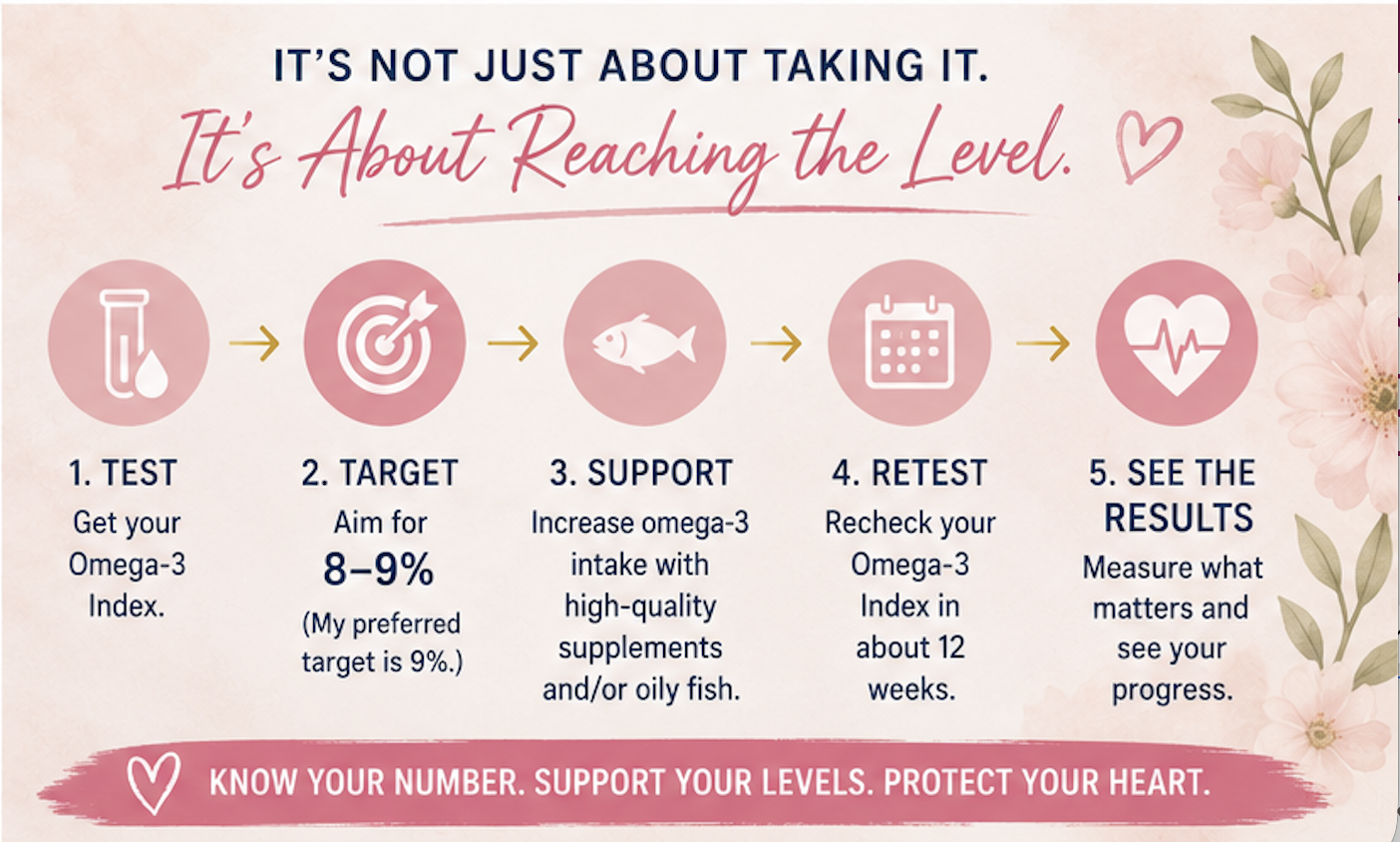
Step 1: Know Your Number
Get your Omega-3 Index tested.
Not guessed. Not assumed. Tested.
Because you don’t know how much support you need if you don't measure.
Step 2: Raise Your Levels
If your levels are low—and statistically they often are—a high-quality omega-3 supplement may be worth considering.
Another option is increasing your intake of oily fish, particularly wild-caught salmon, sardines, and anchovies to 3-4 times a week.
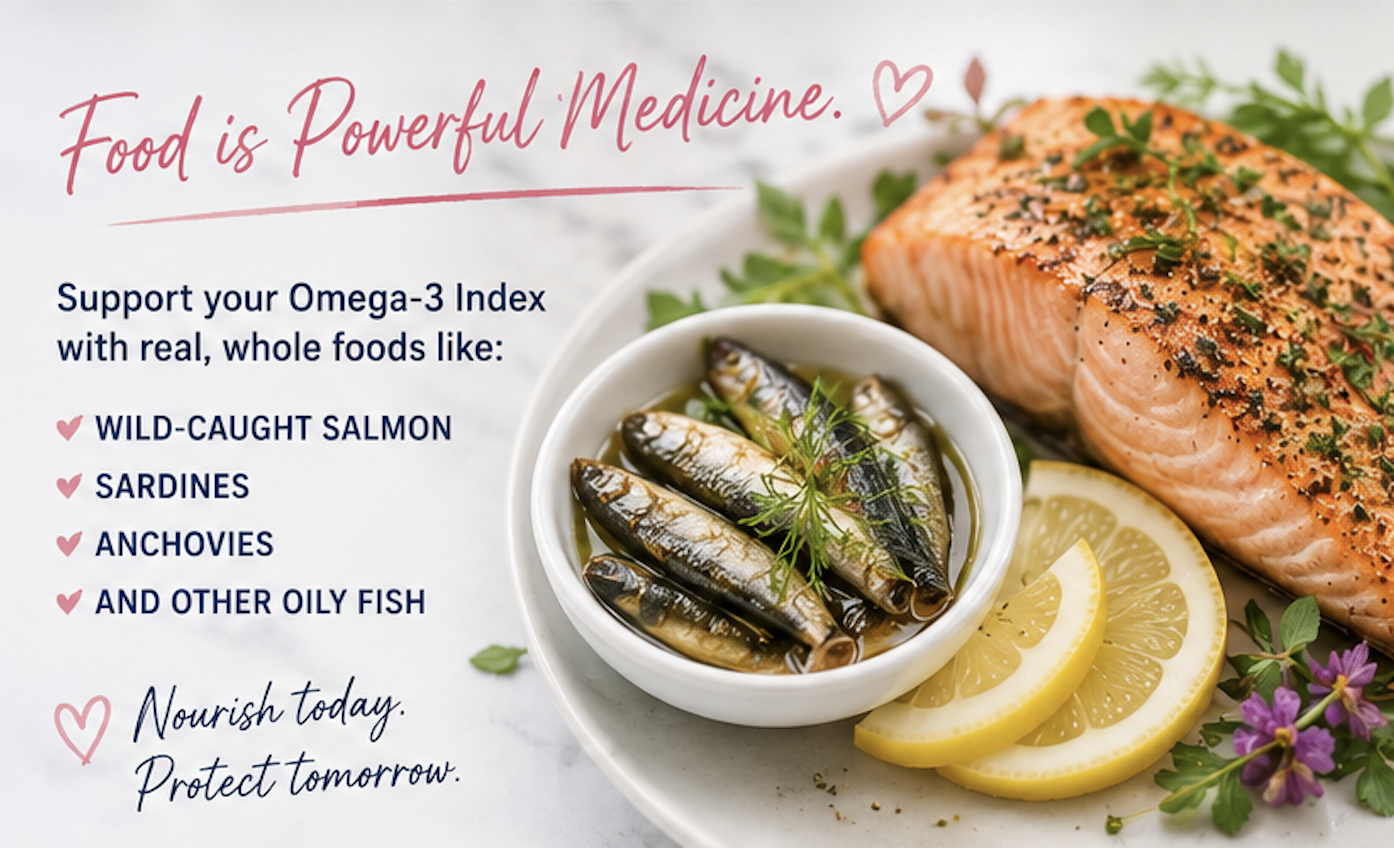
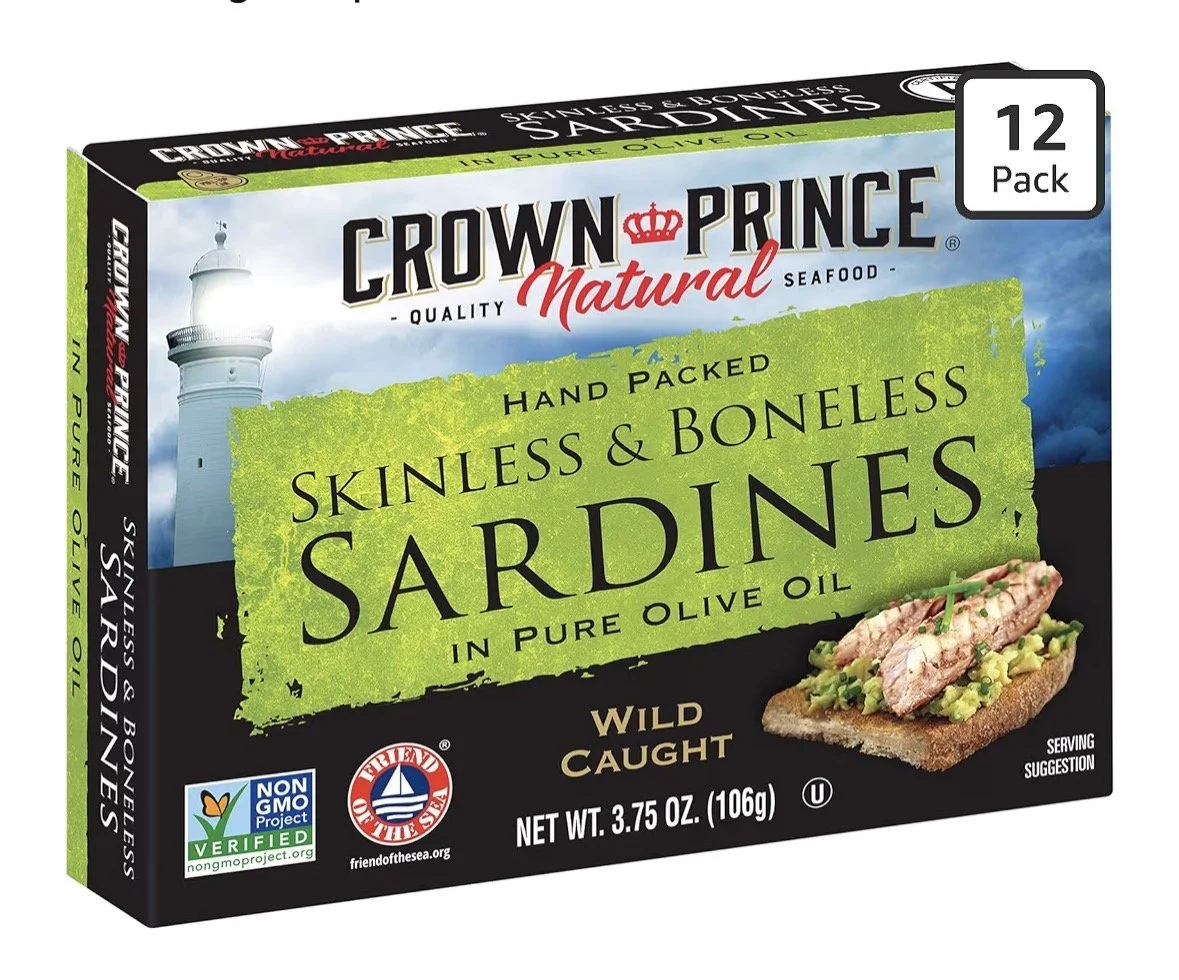
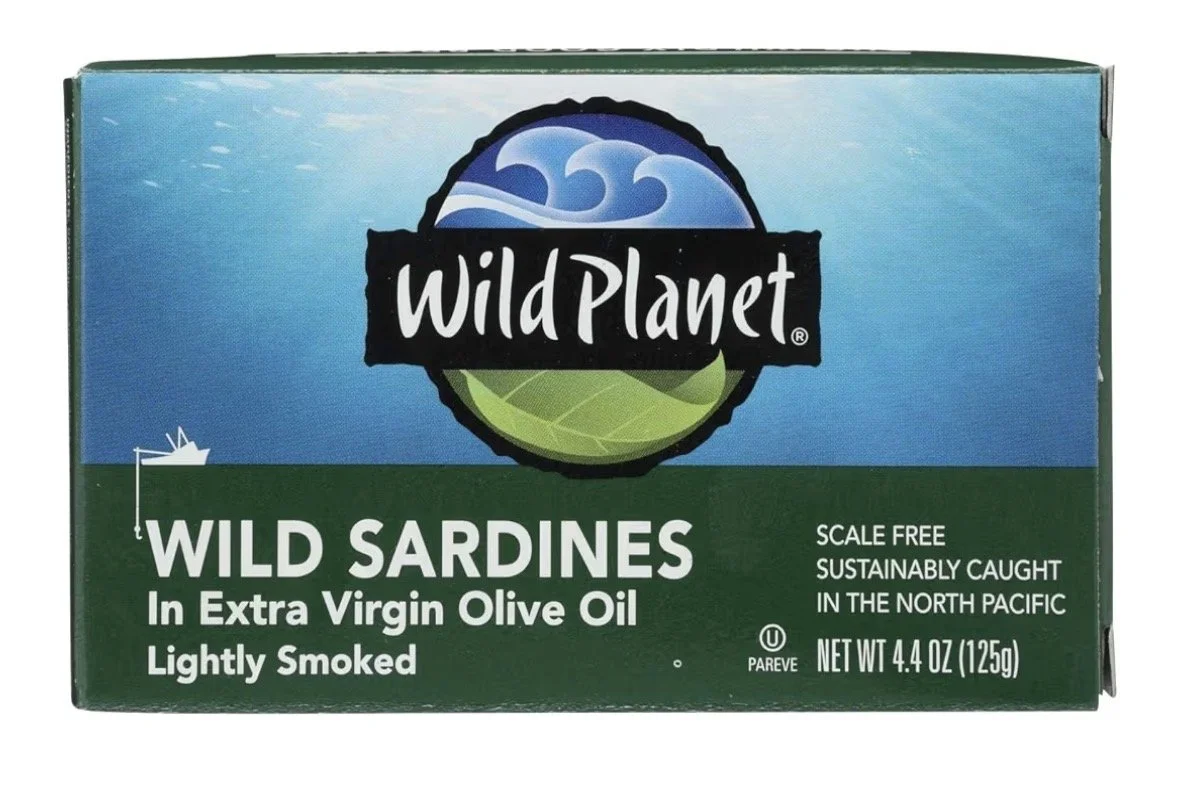
Two good brands of sardines are Crown Prince Natural and Wild Planet
The reality is that if you aren't regularly consuming omega-3-rich foods and/or taking a quality omega-3 supplement, your levels are unlikely to reach the range associated with the greatest cardiovascular benefit.
And that's important because the research showing up to a 90% lower risk of sudden cardiac death is based on people who actually achieved those higher Omega-3 Index levels.
You don't get the benefit simply by taking just any fish supplement.
You get the benefit by reaching the right levels.
And the quality of the supplement you choose matters. A lot.
When I'm looking at an omega-3 supplement, I want to see the triglyceride form, filtration to remove PCBs and heavy metals, molecular distillation, minimal processing, cold extraction methods, and exceptional freshness. Those are things you should look for as well.
Freshness matters more than most people realize.
A quality omega-3 should not leave you tasting fish all day.
If it tastes fishy, smells fishy, or gives you fishy burps, that's often a sign that the oil is not as fresh as it should be.
Remember, we're trying to nourish the body—not give it oxidized fats.
If you'd like to try raising your Omega-3 Index, start with a quality omega-3 supplement and/or oily fish four times per week.
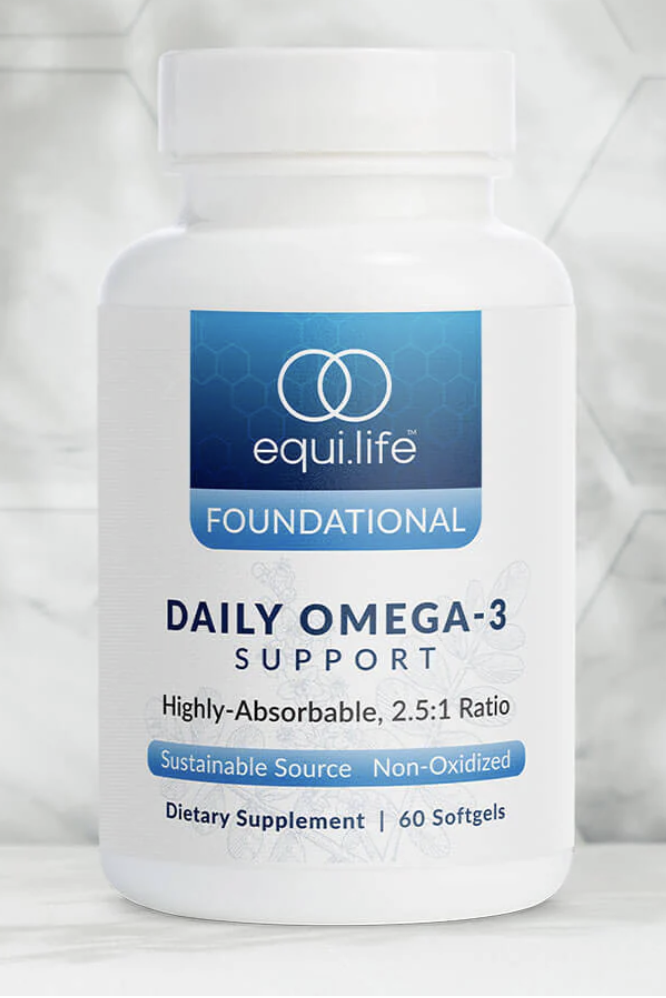
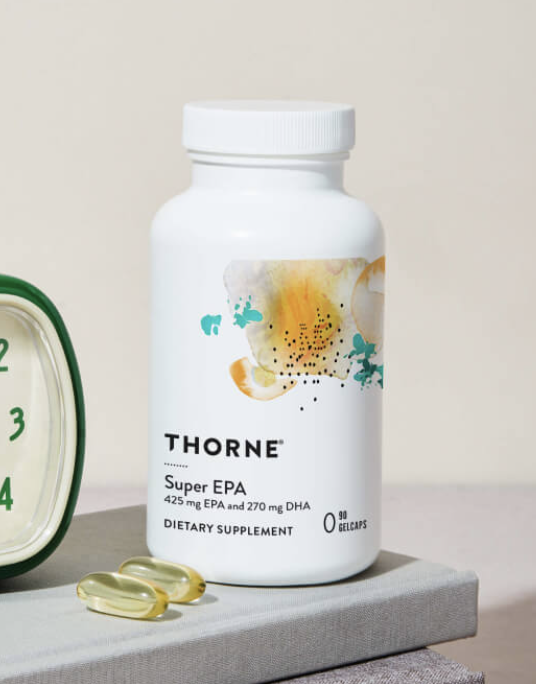
Here are 2 omega-3 products I recommend that meet therapeutic grade requirements:
Thorne Super EPA Pro
Take them daily unless you eat oily fish that day. Then skip them.Give your body about 12 weeks.
Retest.
Don't guess.
Measure.
See where your numbers actually landed.
Step 3: Support Healthy Arteries
For those working alongside their healthcare team, proteolytic enzymes such as nattokinase and serrapeptase may be worth exploring.
Step 4: Retest
One of the most empowering things you can do is watch your own biology change in response to supportive choices.
Why I am sharing this
My friend had no idea an artery was 80% blocked.
His body was doing the best it could with what it had.
That sentence keeps coming back to me. Most of us aren't ignoring our health. We're simply missing information.
Information that could help us make different decisions.
That's why I keep talking about testing.
That's why I keep talking about looking deeper. Because healing—and protecting—the heart you've been given starts with understanding where you stand.
A Final Thought
And if you're not in a position to invest in testing right now, that's okay.
I would rather see you start supporting your body than do nothing while waiting for the perfect time.
I'd be happy to help you put together a simple food and supplement plan focused on increasing your omega-3 intake. Perhaps adding Proteolytic Enzymes. Then, when the time is right, we can test and see if you are hitting your goal numbers. Remember, you don't get the benefit simply by taking a supplement.
You get the benefit by reaching the 9% level.
Healing happens in layers.
With care,
Rachel (El)
El is 4 Life Wellness Coaching
Disclaimer: These statements have not been evaluated by the FDA. This content is for educational purposes only and is not intended to diagnose, treat, cure, or prevent any disease. Consult your healthcare provider before making changes to medications or supplements.
