
Protecting Your Brain Starts Earlier Than You Think
What the Research on Omega-3s Is Teaching Us About Cognitive Health
By Rachel (El) | El is 4 Life Wellness Coaching
If you've ever watched someone you love struggle with dementia or Alzheimer's, you know how deeply it affects a family.
Maybe it was a grandparent who stopped recognizing your face. Maybe it was a parent whose memories seemed to slip away one by one. Or maybe it's a concern you've quietly carried for your own future.
It's not an easy thing to think about.
But what I want to share with you today isn't a message of fear. It's a message of possibility.
Because some of the research surrounding omega-3 fatty acids and brain health is incredibly encouraging. And if you have a family history of dementia or Alzheimer's—or you're simply someone who wants to support your brain for the long haul—this is information worth knowing.
What's Actually Happening Inside the Brain
Your brain is remarkable.
Every memory you've ever made, every person you've loved, every lesson you've learned, every laugh you've shared—it all lives there.
Behind the scenes, billions of neurons are constantly communicating with one another, carrying messages that allow you to think, remember, feel, create, and connect. They do this every second of every day for your entire life.
Now imagine the insulation around those communication pathways beginning to wear down. Signals don't travel as efficiently. Messages become slower. Some don't get through at all.
That's a simplified picture of what can happen during cognitive decline—and it's one reason omega-3 fatty acids have received so much attention from researchers.
DHA (docosahexaenoic acid) and EPA (eicosapentaenoic acid), the two most important omega-3s, are literally structural components of the brain. DHA makes up a significant portion of your brain's gray matter. It's embedded in your neurons. It's part of the structure that helps those communication pathways function well.
When DHA levels are low, those systems may not function as efficiently as they were designed to.
What the Research Actually Shows
One of the things I appreciate most about omega-3 research is that we're not talking about a fringe theory or a wellness trend. These are peer-reviewed studies from respected research institutions, and the findings are encouraging.
Here are a few that stood out to me.
1: The brain shrinkage connection:
One of the most fascinating studies looked at adults aged 65 and older who supplemented with 1,200mg of DHA daily. After 18 months, researchers found that DHA supplementation reduced hippocampal atrophy—the shrinkage of the brain's memory center—and helped maintain memory performance compared to the placebo group.
Why does that matter?
The hippocampus is one of the first areas affected by Alzheimer's disease. Supporting and protecting this area of the brain may play an important role in preserving cognitive function as we age.
2: The MRI evidence:
Another study, published in 2024, focused on people with a genetic risk factor for Alzheimer's disease known as APOE-4. This gene can significantly increase a person's likelihood of developing Alzheimer's.
Researchers found that high-dose omega-3 supplementation maintained neuronal integrity on MRI scans and slowed the development of white-matter lesions in the brain. These lesions are associated with cognitive decline, and the omega-3 group showed measurably better preservation of brain tissue.
That's a remarkable finding, especially for those who worry that genetics alone determine their future.
3: The timing revelation:
A 2024 systematic review—one of the most comprehensive analyses available—confirmed something I think everyone should know:
Omega-3 supplementation appears to provide meaningful cognitive benefits in people with mild cognitive impairment or early Alzheimer's disease, but not in advanced dementia.
To me, this is one of the most important takeaways from all of the research.
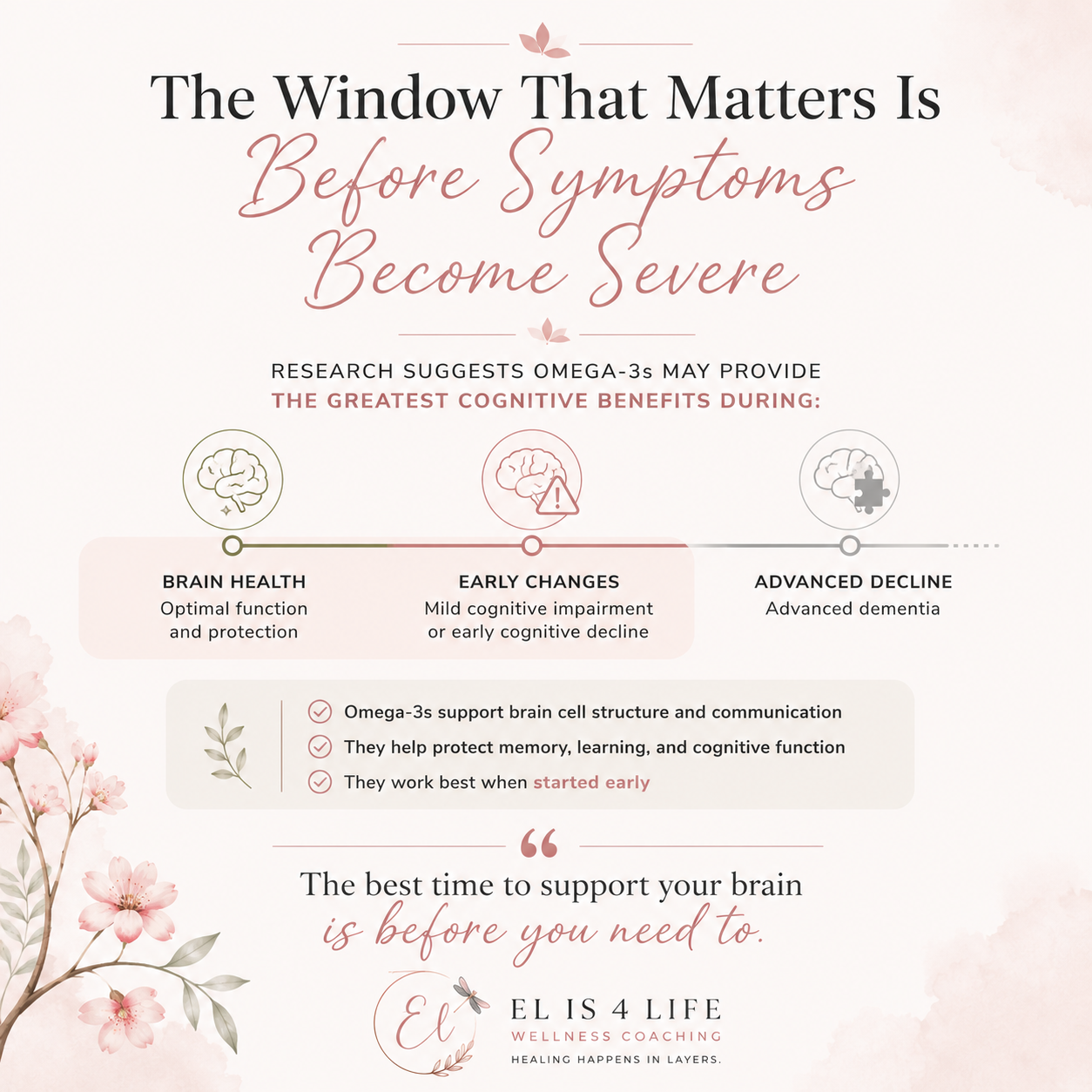
The window that matters is before symptoms become severe.
Omega-3s appear to be most valuable as a protective tool and an early intervention strategy—not as a way to reverse advanced disease.
That's why I believe conversations about brain health shouldn't start after a diagnosis. They should start years earlier.
4: The dose and form matter:
Researchers aren't just studying whether omega-3s help. They're also studying what type, what dose, and what approach appears to work best.
A 2025 network meta-analysis that reviewed the broader landscape of omega-3 and Alzheimer's research found that long-term, high-dose EPA-dominant omega-3s at 1,500–2,000mg per day, combined with antioxidants, demonstrated the highest potential for cognitive benefit among the interventions evaluated.
That last piece is important.
Omega-3s don't work in isolation. They work as part of a larger nutritional picture.
The goal isn't to find a single magic bullet. The goal is to give the brain the support it needs from multiple angles.
Why Most People Aren't Getting Enough
One thing many people don't realize is just how common omega-3 deficiency has become.
The Omega-3 Index—a blood test that measures DHA and EPA as a percentage of your red blood cell membranes—helps tell the story. Most Americans have an Omega-3 Index of around 4–5%, while research on brain protection points toward levels of 8% or higher.
That's a pretty significant gap.
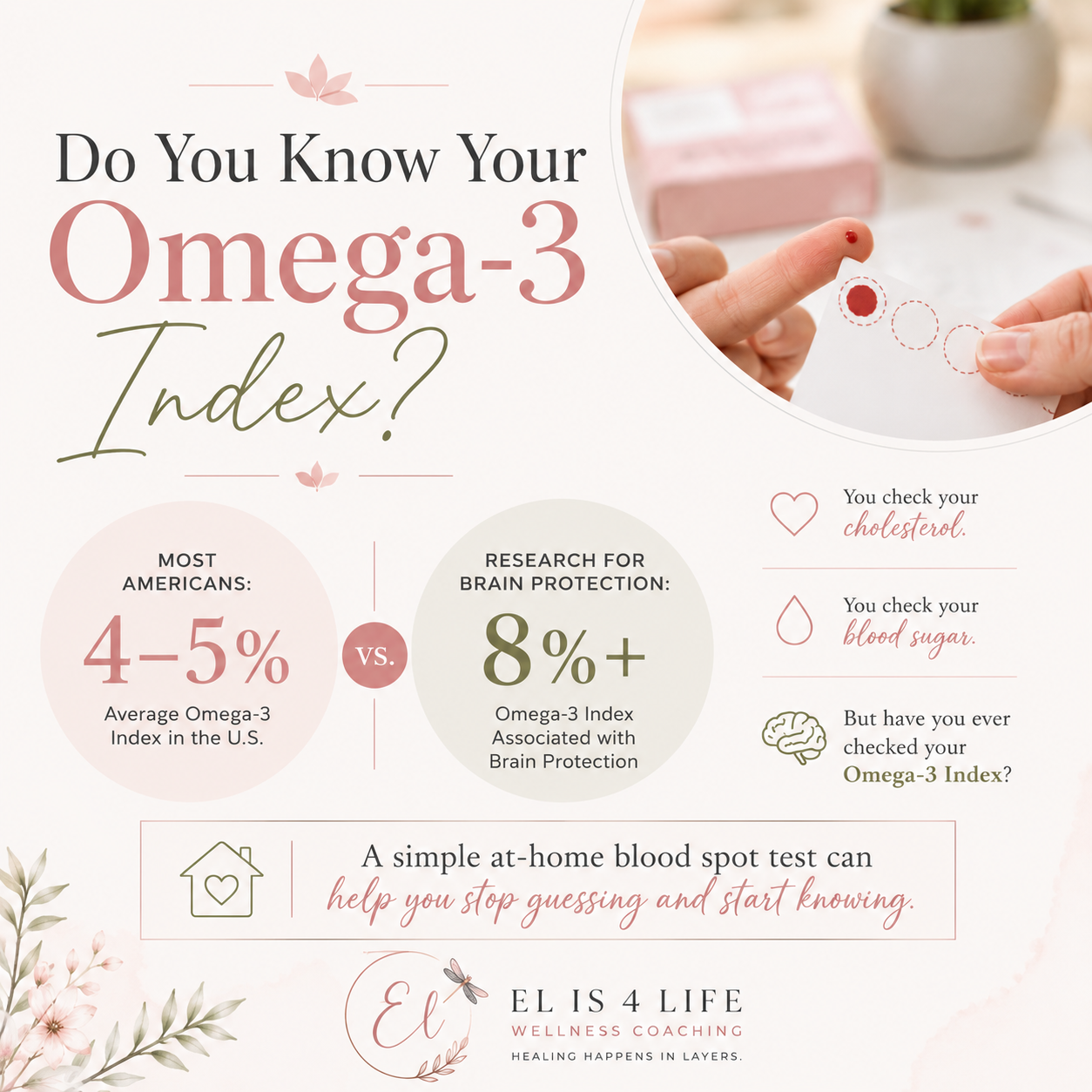
And the challenge is that most people have no idea where they stand.
Your doctor may routinely check your cholesterol, blood sugar, thyroid function, or vitamin D levels. But your Omega-3 Index? It's rarely included in standard blood work.
As a result, many people spend years assuming they're getting enough omega-3s simply because they occasionally eat fish or take a supplement. The reality is that without testing, it's difficult to know whether your levels are truly where you want them to be.
This is one of the reasons I love the Omega-3 Index test so much.
Instead of guessing, you get real information about what's happening inside your body.
And when it comes to supporting something as important as your brain, having that information can be incredibly empowering.
The Best Time to Support Your Brain Is Before You Need To
I want to pause here and share something important.
Dementia is not inevitable.
While no supplement, test, or lifestyle habit can guarantee a particular outcome, research continues to show that the brain is responsive to the choices we make over time.
What we eat matters.
How we sleep matters.
How we manage stress matters.
The nutrients we provide our bodies matter.
And what we do in our 40s, 50s, and 60s may have a meaningful impact on how we think, remember, and function in the decades that follow.
I find that incredibly encouraging.
For many people, especially those with a family history of Alzheimer's or dementia, it can feel like they're simply waiting to see what happens.
But that's not the story the research is telling.
The research suggests there is more we can do than many people realize.
If you've watched a parent or grandparent walk this road, I hope this brings you a sense of hope. You don't have to sit on the sidelines wondering if the same thing will happen to you.
You can learn your numbers.
You can support your brain nutritionally.
You can make informed choices today that may benefit you years from now.
And while none of us can control everything, we can absolutely influence more than we've been led to believe.
That's a very different conversation than the one most people are having.
What a Brain-Protective Protocol Looks Like
So if you're wondering where to start, here's what I generally recommend based on the research.
You don't have to do everything perfectly. You don't have to overhaul your entire life overnight. The goal is simply to begin supporting your brain intentionally and consistently.
Know your Omega-3 Index.
If possible, start with testing.
A simple dry blood spot test—a few drops of blood on paper mailed to a lab—can show exactly where your DHA and EPA levels stand.
I always prefer to measure rather than guess. When you know your numbers, you have a clear starting point and a way to track your progress over time.
Supplement with a therapeutic, high-absorption form.
The research consistently points to needing 1,300–2,000mg of EPA and DHA daily for meaningful brain support.
The form matters, too. Liquid omega-3s tend to have significantly higher absorption than standard capsules, and the EPA:DHA ratio can influence the benefits you're receiving.
That's why I recommend using a high-quality liquid omega-3 with a favorable EPA ratio for brain health. If you can’t stand the liquid, of course use a capsule. (See last weeks post for what to look for in a quality omega 3 product) I take the Equi.life Omega 3 pictured below.
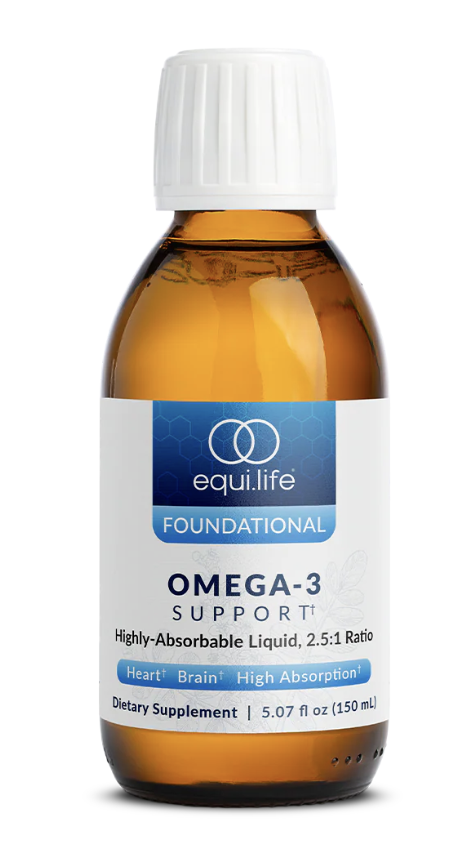
Great for brains, hearts, diabetes and more!
Pair it with antioxidant support.
One of the most interesting findings from the 2025 meta-analysis was that omega-3s appeared to work best when combined with antioxidants.
This makes sense when you think about it. The body doesn't work in isolated systems, and nutrients rarely work alone.
A quality Daily Fruit & Vegetable Blend (I like the one from Equi.life) with antioxidant support can be a valuable part of a brain-supportive foundation.
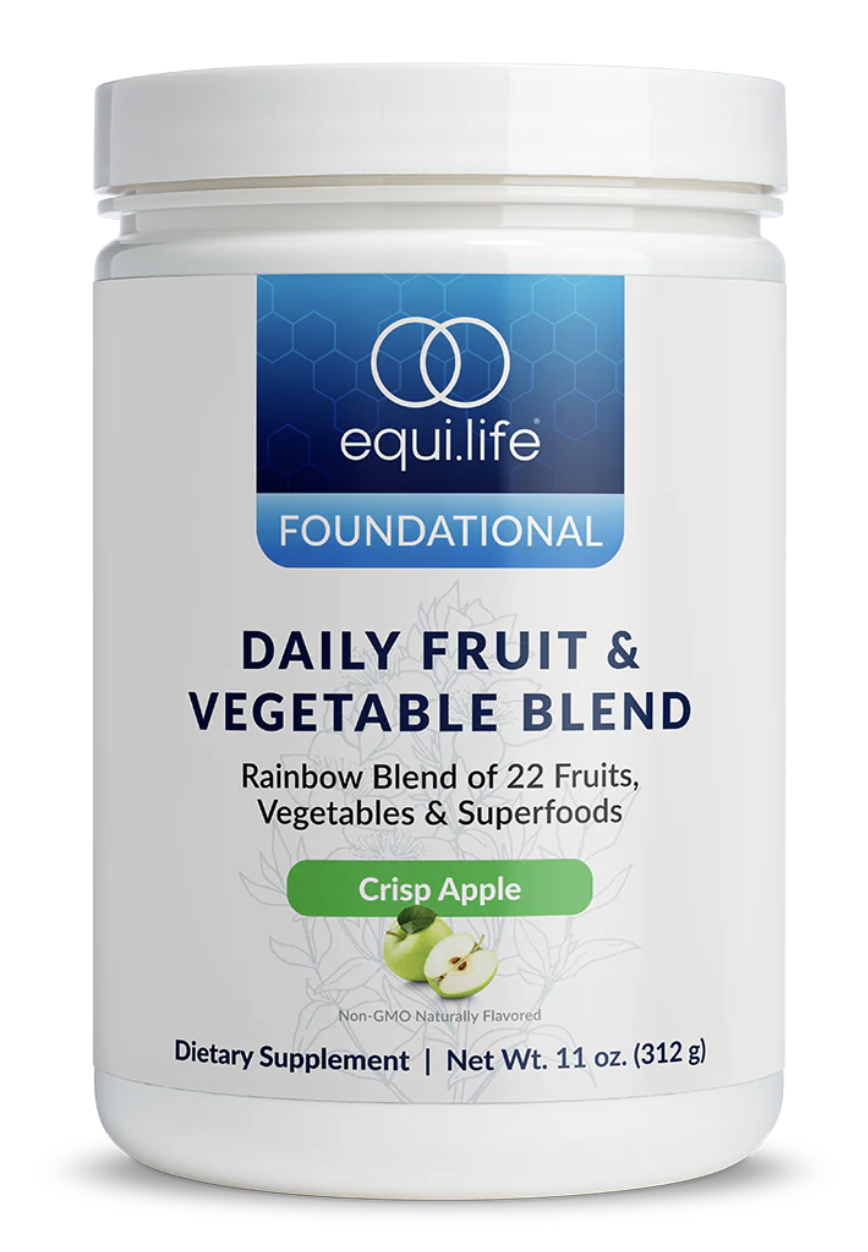
This antioxidant rich blend comes in a tub or individual packets for travel and convenience. A clean quality source of antioxidants. It tastes better than any others I’ve tried thus far.
Commit to the long game.
This may be the most important part.
The studies showing the greatest benefit weren't measured in weeks. They were measured in months—and often longer than a year.
Brain health is a long-term investment.
The goal isn't a quick fix. The goal is to consistently provide your brain with the support it needs year after year.
Add antioxidant water to your daily hydration.
One of the most overlooked additions to a brain-supportive lifestyle is molecular hydrogen water, produced by a quality water ionizer.
Molecular hydrogen is one of the smallest antioxidant molecules known, which allows it to cross the blood-brain barrier and neutralize free radicals directly within brain tissue. Most antioxidants cannot do that.
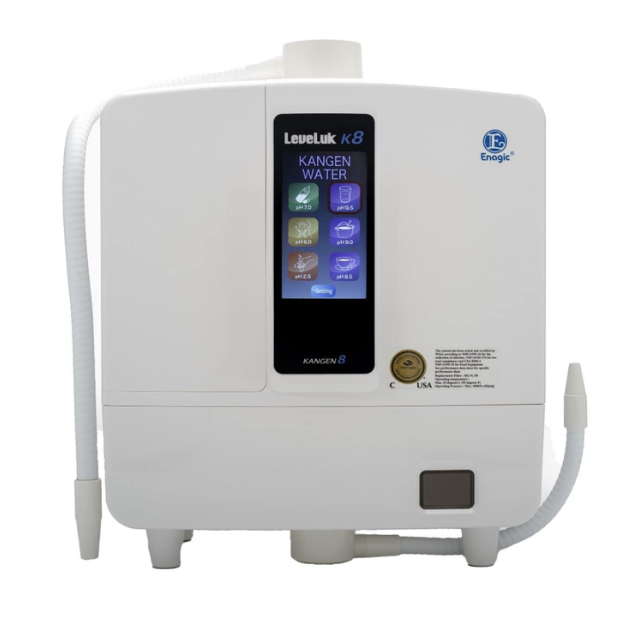


If you are interested in a K8 or X2O machine for overall wellness and increased antioxidant hydrogen rich water, please reach out. I can help you try or purchase either machines water.
I personally use and recommend the K8 by Enagic . And have recently been impressed by the LifeWave X20 water machine, which produces molecular hydrogen-infused water while also embedding biophotonic light frequencies at a cellular level—a step beyond standard hydrogen water.
What I love about this approach is that it supports more than just the brain. The same molecular hydrogen that helps protect neurons may also help reduce oxidative stress within the cardiovascular system and support healthy circulation. The most common report I hear from those using this water is increased energy.
Every glass of water becomes another opportunity to support two of the most important organs in your body.
Retest in 3–6 months.
This is where things get exciting.
Retesting allows you to see whether your Omega-3 Index is moving in the direction you want it to go.
There's something incredibly motivating about watching your efforts show up in your numbers.
It's a reminder that your body responds to support—and that the small choices you make consistently truly matter.
A Note on Family History
If Alzheimer's or dementia runs in your family, I want you to hear this:
Having a family history is not a sentence. It's information.
And information—especially when you act on it early—can be incredibly empowering.
I know it's easy to look at a parent, grandparent, or other family member and wonder what that means for your own future. But genetics are only part of the story.
In fact, the research on APOE-4 carriers—people with the highest known genetic risk for Alzheimer's disease—found that high-dose omega-3 supplementation still provided measurable brain protection on MRI.
I find that encouraging.
It reminds us that while we can't change our genes, we can influence many of the factors that interact with them.
You deserve to know your numbers.
You deserve to understand your options.
And you deserve to know that there is more you can do than simply wait and wonder.
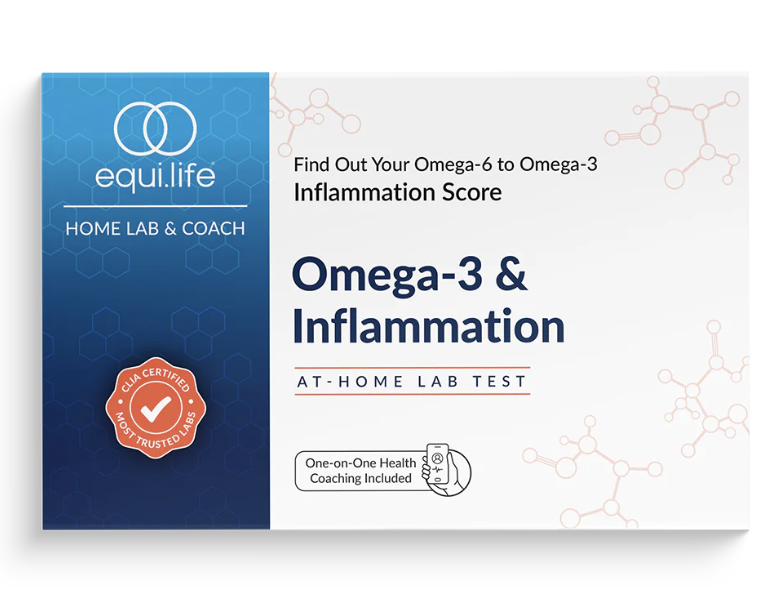
The Omega 3 at Home Lab Test I recommend is by Equi.life.
What If You Can't Afford to Test Right Away?
If testing is available to you, that's where I recommend starting.
Knowing your Omega-3 Index gives you a clear baseline and allows you to track your progress over time.
But if testing isn't in the budget right now, please don't let that stop you from taking action.
There are times when we have to start with the information we have.
A consultation can help us look at your health history, your family history, your current diet, and any medications or supplements you're taking. In many cases, that gives us enough information to begin building a brain-supportive plan while we work toward testing in the future.
The goal isn't to do everything at once.
The goal is to start.
Because small, consistent steps taken today can have a meaningful impact on your future health.
And sometimes the most important step is simply deciding that your brain health is worth paying attention to.
One More Thing I Want to Share With You
I lost my mother to Alzheimer's disease. Her father had it too.
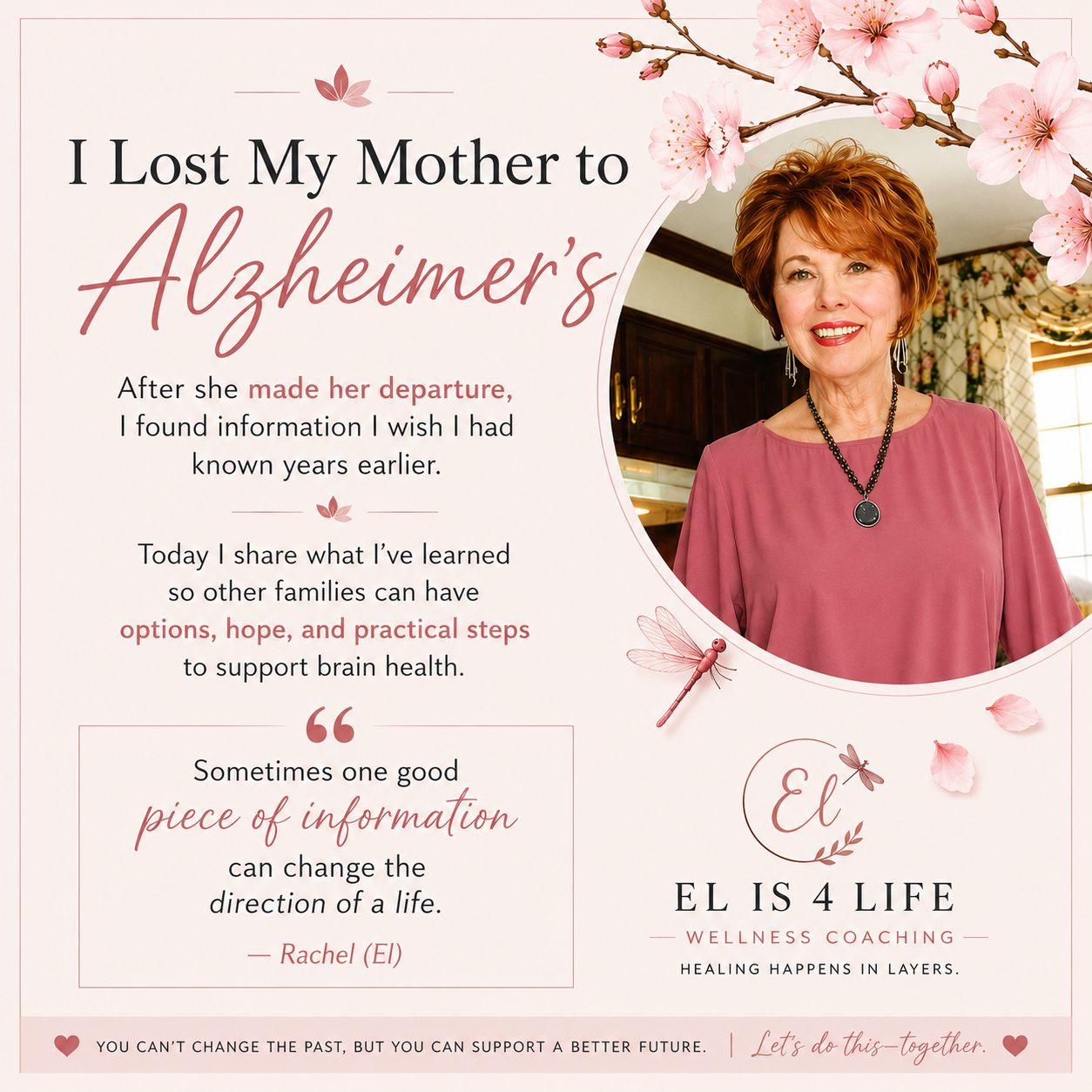
Alzheimer's has touched two generations of my family, and I know firsthand how difficult it is to watch someone you love gradually lose pieces of themselves—their memories, their recognition, and the moments that once came so easily.
I carry both the grief of losing her and the quiet wish that I had known then what I know now.
After she passed, I found Dr. Clint Steele on Instagram. He shares practical, science-backed information about preventing and addressing cognitive decline, and I couldn't stop watching his videos.
One thought kept coming to mind:
Where was this when Mom was still here?
I eventually purchased his book, 101 Brain Hacks to Prevent and Even Reverse Dementia, for my dad. He's read it at least three times and tries to implement at least one of the strategies every day.

Pops reading 101 Brain Hacks. If you are interested in brain health and disease prevention, please check it out. Nice thing is, it is free with your Audible Membership and with Kindle unlimited!
That's what good information does.
It gives people options.
It gives families hope.
And it reminds us that there are often more things within our control than we realize.
One of the things I appreciate most about Dr. Steele's work is that he doesn't just talk about supplements and nutrition. He also talks about nervous system regulation.
A body that spends all of its time in survival mode has fewer resources available for repair, restoration, and resilience. Learning how to move out of chronic fight-or-flight isn't just helpful for emotional well-being and brain health—it's an important part of supporting long-term health on basically every front.
This book has become one of my favorite resources to recommend, especially for anyone who has watched Alzheimer's or dementia affect someone they love.
Sometimes one good piece of information can change the direction of a life.
And sometimes it starts with a single book.
Ready to Take the Next Step?
If brain health is something you've been thinking about—for yourself or for someone you love—I'd be honored to help.
I offer the Omega-3 Index test through my practice as part of a broader functional wellness assessment, and I love helping clients better understand where they are today and what practical steps may help support their health moving forward.
Whether you're looking for testing, guidance, or simply a place to start, you don't have to figure it out alone.
Complete a short application and we can book a complimentary support call where we can talk about what supporting your brain could look like for you.
Because the memories you're making right now—the people you love, the experiences you're living, and the life you're building—are worth protecting.
With care,
Rachel (El)
El is 4 Life Wellness Coaching
Healing happens in layers.
P.S. Dr Cabral has a podcast on this available here if you’d like to learn more about Omega 3s and brain health.
P.P.S. If you’re interested learning about the benefits of having an antioxidant rich water machine in your home.
