
Why Omega-3s Belong in Every Stage of Your Motherhood Journey
By Rachel (El) | El is 4 Life Wellness Coaching
In my practice, this is a very popular question: “What should I actually be taking?” It usually comes from a woman standing in the supplement aisle, overwhelmed by rows of bottles, trying to make a gentle, thoughtful decision for a body that isn’t just her own anymore — or may not be for much longer.
If I could point to one nutrient that supports every layer of that journey — trying to conceive, pregnant, nursing, and raising little ones — it would be omega-3s. Specifically two types: EPA and DHA. Here’s why they deserve a place on your shelf at every chapter.

Trying to Conceive
If you’re hoping to grow your family, you’ve probably noticed it’s not always as simple as it once was. Trouble conceiving or carrying a pregnancy to term affects far more women than many people realize, and if this season has felt harder or more complicated than you expected, you’re far from alone.
There isn’t one single reason behind that, and rarely just one thing to “fix.” Researchers are exploring a mix of contributors — including stress, lifestyle patterns, nutrient status, and everyday environmental exposures — which is one reason a more foundational, whole-body approach can be so helpful.
This is exactly where gentle, foundational support — like omega-3s — can make a real difference.
Before pregnancy even begins, omega-3s are already doing supportive work behind the scenes. Healthy omega-3 levels have been linked to more regular ovulation and hormone balance, and omega-3 intake has also been associated with improved pregnancy and fertilization rates in some studies. They also help support a healthy inflammatory response, which matters because inflammation can quietly influence cycle regularity, ovarian function, and the body’s overall readiness for conception.
Omega-3s are also recognized for their role in supporting egg quality and overall reproductive health, which is one reason they can be such a helpful nutrient to bring in during the preconception season. Since egg quality is something your body is building over time, this is one of those areas where a little early support can go a long way.
Omega-3s are a wonderful, gentle step — but they’re one piece of a bigger picture. Reducing toxin exposure where you can, nourishing your body with thoughtful food choices, and lowering everyday stress all matter too. So does making space for real rest, ease, and joy — and finding a rhythm between work and life that actually feels sustainable, not just survivable.
This season of life can be exciting and hard all at once, and it deserves support that cares for your whole self, body and mind together. Working with someone who can help you build that fuller picture can make all the difference.
I also asked fellow IHP Theresa Kasper to weigh in here, since she has experience supporting women during the preconception season.
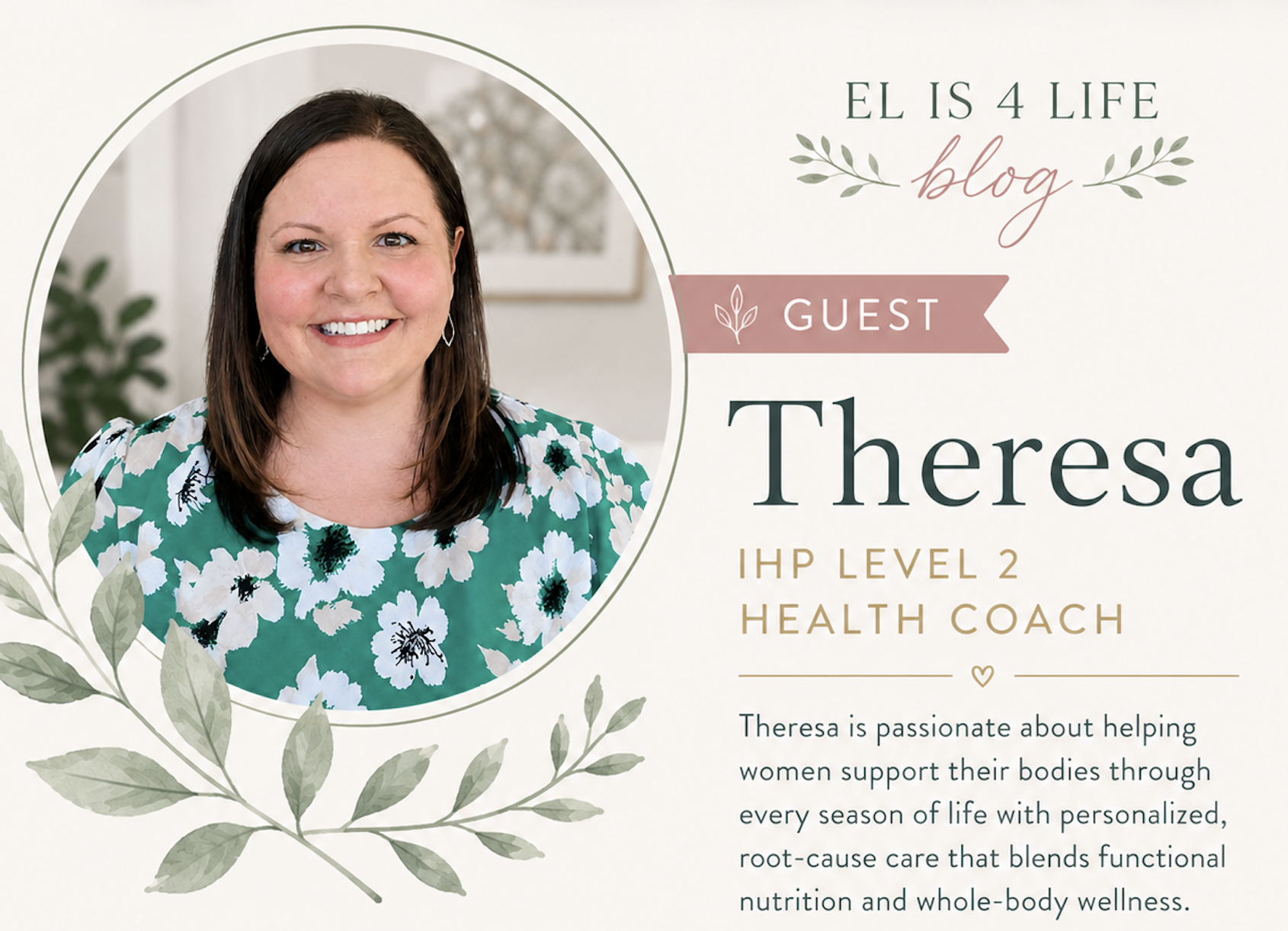
My friend and fellow practioner, Theresa Kasper, IHP Level 2
Q: When you're supporting a woman in the preconception season, what are some of the foundational areas you tend to look at first?
Theresa:
When I think about preconception health, I always remind women that you're not just preparing for pregnancy, you're preparing to build a human being. That's a big job for the body.
The first areas I look at are nutrition, blood sugar balance, digestion, stress, sleep, and nutrient status. I want to know if she's eating enough protein, getting healthy fats, digesting and absorbing nutrients well, and whether her body has the raw materials it needs to support hormone production and a healthy pregnancy.
A woman can be eating a healthy diet on paper, but if she's not digesting and absorbing nutrients well, she's not getting the full benefit of that food. That's why I pay attention not only to what she's eating, but also how well her body is utilizing those nutrients.
I also pay close attention to inflammation and environmental stressors because those can quietly drain the body's resources. Before we jump into complicated protocols, I like to make sure the foundations are solid. Often the biggest improvements happen when we consistently support the basics.
Q: Where do omega-3s fit into that bigger picture, and why do you find them so helpful during the preconception season?
Theresa:
Omega-3s are one of my favorite foundational nutrients for preconception because they support so many areas at once.
The developing baby relies heavily on DHA, a type of omega-3, for brain, nervous system, and eye development. One thing many women don't realize is that the baby doesn't make DHA on its own. It depends on mom's intake and nutrient stores. That's one reason I like to think about omega-3 status before pregnancy rather than waiting until after conception.
Omega-3s also help support a healthy inflammatory response, hormone production, cell membrane health, and overall reproductive wellness. Since every cell in the body is surrounded by a membrane made largely from fats, the quality of the fats we consume matters.
Many people are consuming far more omega-6 fats from processed foods than omega-3s, so increasing omega-3-rich foods like salmon, sardines, and trout, along with considering a high-quality supplement when appropriate, can be a simple way to better support the body before conception.
Q: If someone feels overwhelmed and wants to start with just one or two supportive steps, where do you usually begin?
Theresa:
I always tell women that they don't have to tackle everything at once. If I had to pick just two places to start, I would focus on eating enough protein and taking a high-quality prenatal before conception. Those two habits alone can make a huge difference.
I encourage women to build meals around protein, include healthy fats, and prioritize whole, minimally processed foods whenever possible. Foods like wild-caught salmon are a great addition because they provide both high-quality protein and omega-3 fats that support hormone health and fetal development. If seafood isn't already a regular part of the diet, this may be a good time to consider a high-quality omega-3 supplement as part of a preconception plan.
At the same time, I want women taking a prenatal that contains bioavailable forms of nutrients rather than synthetic versions. This is especially important because nutrient needs increase before and during pregnancy, and many women I see are already starting from a place of deficiency.
Every cell, organ, hormone, and tissue your baby will develop is built from nutrients. That's why I encourage women to think about preconception as a time to fill nutrient gaps, not just a time to start a prenatal. Consistently nourishing the body with enough protein, healthy fats, key nutrients, quality sleep, and stress support creates the foundation for a healthy pregnancy long before those two pink lines appear.
Q: Do you have any thoughts on omega-3s included in prenatals versus taking them separately?
Theresa:
I generally do not recommend blended prenatals that contain DHA or EPA. Omega-3 fatty acids are inherently less stable than most vitamins and minerals and are more susceptible to oxidation over time. My concern is that when these delicate fats are combined with dozens of other nutrients in a single capsule, the overall stability of the product can be compromised as it sits on the shelf. For that reason, I prefer a high-quality prenatal and a separate omega-3 supplement so that each product can maintain its potency and stability as intended.
If Theresa’s perspective resonates with you and you’d like to learn more about her work, you can visit welldesignedhealth.com or connect with her on Instagram at @welldesignedhealth.
Pregnancy

Once you’re expecting, omega-3s shift from supportive to foundational. DHA is a major structural fat in the brain and eyes, and your baby’s need for it grows steadily throughout pregnancy — especially in the final trimester, when brain growth accelerates most rapidly. Omega-3s, especially DHA, are closely tied to healthy fetal brain, eye, and nervous system development, which is one reason they’re so often emphasized during pregnancy.
Some research also suggests omega-3 intake during pregnancy may support gestational length, birth weight, and other pregnancy outcomes, though the research there is more mixed than it is for brain and eye development.
Dr. Cabral, whose Integrative Health Practitioner program I trained under, also points out something many women don’t expect: omega-3s may gently ease nausea for some women. If you’re in a rough stretch, taking them with food rather than on an empty stomach tends to help.
Finding Balance with Omega-6
This is another layer Dr. Cabral teaches: omega-3s don’t work alone. They work in relationship with omega-6 fats, and in many modern diets, that balance can easily tip too far toward omega-6 and away from omega-3.
That balance matters during pregnancy because both types of fats play important roles in inflammation, cell signaling, and fetal development. Some newer research has found that a higher maternal omega-6 to omega-3 ratio during pregnancy may be associated with poorer motor development outcomes in babies, while a healthier balance may be more supportive of early neurodevelopment.
This doesn’t mean omega-6 fats are “bad” — they’re essential too. It simply means that bringing the overall balance back into a healthier range can matter, especially in a season when your body is building so much for someone else.
“Doesn’t My Prenatal Already Cover This?”
This is one of the most common things I hear, and it makes sense — a prenatal feels like it should be the one-stop shop. But folic acid and iron are part of nearly every prenatal, while omega-3s aren’t always included, even though they matter just as much.
And even when a prenatal does include DHA, it’s often a gentler dose than what’s needed to truly support fetal growth and visual development. Many practitioners like Theresa, like to keep DHA as its own separate support, partly because it allows for more precise dosing and stays more stable on its own rather than combined with everything else in a multivitamin.
This isn’t a knock on your prenatal — it’s simply one layer of the fuller picture. Some studies have found improved pregnancy outcomes when omega-3s are added alongside prenatal support, rather than relying on a prenatal alone.
So check your label with curiosity, not assumption — and know it’s okay to add support where it’s needed.
Nursing
The work continues once your baby arrives. Breastmilk’s fatty acid makeup reflects a mother’s own diet, so what you’re nourishing yourself with is still shaping what your baby receives — just through a different channel now. Continued omega-3 support during breastfeeding may also help support your baby’s ongoing brain and visual development as those early months unfold.
Children
The most rapid brain growth happens before birth, but meaningful development continues through the first few years of life, and what little ones are nourished with plays a real role in shaping that growth. Omega-3s aren’t just a pregnancy nutrient — they’re worth carrying gently into early childhood nourishment too.
Where to Start
You don’t have to figure this out alone, and you don’t have to guess. This is exactly the kind of thing we sit with together in a consultation — what fits your season, your history, and what you’re already supporting your body with.
If you’re looking for a quality source in the meantime, Omega-3 Liquid or Omega-3 Softgels are both options I recommend, depending on what feels easiest in your routine.
This post is for educational purposes only and isn’t a substitute for medical advice. Please talk with your doctor about any supplements during pregnancy or while nursing.
